
Blog

Why Choose a Customized Mobility Wheelchair?
Choosing a Customized Mobility Wheelchair begins with a simple question: what does daily mobility actually require? A standard chair may fit a showroom display, yet fail beside a narrow kitchen table. Seat depth can press behind the knees. A poorly positioned footrest can disturb posture. These details affect comfort, balance, energy, and confidence throughout the day.
Dr. Rory Cooper, a wheelchair researcher, Paralympian, and founder of the Human Engineering Research Laboratories, states, “A wheelchair is not a medical device; it is a mobility device.” His view reflects practical experience. A Customized Mobility Wheelchair should support the user’s body, routines, environment, and future goals. Specialists may assess shoulder movement, pelvic stability, pressure distribution, transfer methods, and driving control. They can then recommend an adjustable backrest, a suitable cushion, or a joystick positioned for easier reach. Small changes matter.
Customization does not solve everything. Even an excellent chair may require later adjustments. Bodies change. Homes change. Expectations change. That is easy to overlook. A careful fitting process should include real-world trials, such as turning through doorways, reaching a countertop, or crossing uneven pavement. Reliable providers also explain maintenance, battery care, warranty limits, and follow-up support. The best choice is not always the most expensive model. It is the chair that helps a person move safely, conserve energy, and participate more independently. Personal comfort remains important, but measurable fit should guide the decision.
Read more »
 By:Amelia
- October 8, 2026
By:Amelia
- October 8, 2026

2026 Best Lightweight Manual Wheelchair for Adults?
Choosing the best Lightweight Manual Wheelchair for adults in 2026 requires more than comparing product weight or online ratings. A chair that looks ideal on a showroom floor may feel unstable on a cracked sidewalk, narrow doorway, or steep ramp. This guide examines practical details, including frame strength, seat width, folding design, wheel performance, brake access, and long-term comfort. It also considers the user’s daily routine, body support needs, transport method, and available caregiver assistance.
Real-world experience matters.
A dependable evaluation should combine manufacturer specifications, professional rehabilitation guidance, and feedback from adults who use wheelchairs regularly. No single model suits everyone. A lightweight frame may improve lifting and storage, yet it can sacrifice adjustment options or ride comfort. A compact chair may fit a car trunk but offer less stability outdoors. These trade-offs deserve honest attention, not exaggerated claims. Product quality can also vary between batches, retailers, and regional configurations. That is easy to overlook.
This overview will help readers compare leading choices with clearer expectations. It will discuss who each chair may suit, where it may perform poorly, and which features deserve hands-on checking. Before purchasing, users should confirm measurements with a qualified healthcare professional or seating specialist. Proper fit can affect posture, pressure management, propulsion effort, and safety. The “best” option is not always the lightest one. It is the chair that supports real life, consistently and safely.
Read more »
By:Amelia
- October 3, 2026

Why Choose a Bedside Commode Chair for Home Care?
A bedside bathroom trip can feel minor during the day. At night, a dim hallway, loose rug, or stiff knee can make it harder. The Centers for Disease Control and Prevention reports that about one in four adults aged 65 and older falls each year. Its 2021 data recorded roughly 14 million older adults reporting a fall. This does not mean a Bedside Commode Chair prevents falls. It does explain why safer, easier toileting deserves attention in home care.
A Bedside Commode Chair places a toilet seat near the bed, reducing the distance a person may need to walk. For someone with limited mobility, urgency, or difficulty getting up at night, that shorter route can make daily care more manageable. A caregiver may also find transfers and cleanup easier when the chair is correctly positioned and maintained. Fit matters: seat height, armrests, weight capacity, stability, and the user’s ability to transfer should all be considered. A clinician or occupational therapist can help assess those needs.
The choice also reflects a wider preference for staying at home. AARP’s 2024 Home and Community Preferences Survey found that 75% of adults aged 50 and older want to remain in their homes as long as possible. A commode can support that goal, but it is not a complete safety plan. Not a perfect fix. Slippery floors, poor lighting, and unsuitable equipment still matter. Careful setup and regular checks make the difference between a useful aid and an uncomfortable one.
Read more »
 By:Ethan
- September 28, 2026
By:Ethan
- September 28, 2026
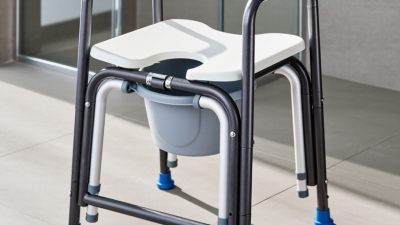
How to Choose a Foldable Carbon Steel Commode Stool?
Choosing a Foldable Carbon Steel Commode Stool requires more than comparing prices or folded dimensions. It involves safety, user comfort, bathroom space, and long-term reliability. The World Health Organization’s World Report on Ageing and Health identifies falls as a major threat to independent living. The U.S. Centers for Disease Control and Prevention also reports that more than one in four adults aged 65 and older falls each year. These figures make stability and transfer support practical priorities, not decorative features.
A well-designed Foldable Carbon Steel Commode Stool should provide a firm frame, secure leg locks, non-slip feet, and a comfortable seat height. Carbon steel can offer strong structural support, but its finish matters in humid bathrooms. Check powder coating, weld consistency, hinge protection, and resistance to corrosion. The seat opening should match the user’s needs, while the bucket and splash guard should remove easily for cleaning. Small details matter.
Relevant guidance, including ISO 21856 for assistive products and regional durability requirements, can help buyers ask better questions. However, standards do not replace product inspection. Request load testing, stability results, material specifications, and cleaning instructions from the supplier. A model rated for high weight may still feel unstable on uneven flooring. That is easy to miss. Consider the user’s transfer ability, caregiver access, storage habits, and bathroom layout before choosing. This guide examines those factors with practical judgment, while acknowledging an uncomfortable truth: product labels can sound more reliable than the evidence behind them.
Read more »
By:Amelia
- September 23, 2026

How to Choose a Hydraulic Patient Transfer Lift?
Choosing a Hydraulic Patient Transfer Lift is not simply a matter of comparing prices, weight limits, or product photographs. The right decision affects patient dignity, caregiver safety, transfer time, and long-term equipment reliability. A lift may look strong in a showroom, yet feel unstable beside a narrow bed or over thick carpet. Those details matter.
Dr. Audrey Nelson, PhD, RN, FAAN, a respected safe patient-handling researcher, states, “There is no such thing as a safe manual lift.” Her warning gives this guide a practical foundation. A Hydraulic Patient Transfer Lift should reduce physical strain without creating new risks. Buyers should examine the base width, turning radius, hydraulic control, sling attachment points, emergency lowering function, and safe working load. Compatibility is essential. A sling that seems suitable may not support a patient’s posture, leg position, or medical tubing correctly.
Experience also exposes uncomfortable gaps. A lift can meet its rated capacity but still be difficult for one caregiver to steer. The pump handle may require too much force. The casters may resist movement on uneven flooring. These problems are easy to miss during a brief demonstration. They become serious during a rushed bedside transfer.
Look closely. Ask practical questions. Can staff clean the frame easily? Are replacement parts available? Does the supplier provide training and inspection guidance? No single model suits every facility. The best choice comes from matching the lift to real rooms, real patients, and real caregivers, while accepting that initial assumptions may need revision.
Read more »
By:Ethan
- September 15, 2026

2026 Best Automatic Reclining Power Wheelchair?
Choosing the best Automatic Reclining Power Wheelchair in 2026 requires more than comparing prices or polished product photos. Real comfort depends on posture support, seat width, pressure management, battery range, and reliable controls. A chair may look advanced, yet feel unstable on uneven pavement or difficult to position beside a bed.
This guide examines practical features through an experience-based and safety-focused lens. It considers feedback from wheelchair users, caregivers, rehabilitation professionals, and mobility equipment specialists. Recline angles, tilt functions, footrest movement, joystick responsiveness, turning radius, and transfer height all deserve careful attention. Small details matter. A quiet motor can make indoor use less stressful. Clear buttons can help users with limited hand strength.
No single model suits every body or living space. That is easy to forget. A heavier chair may offer stronger support but create problems near narrow doorways. A longer battery range sounds useful, but terrain, rider weight, temperature, and battery age can reduce actual performance. Manufacturer claims should be checked against warranty terms, service access, replacement parts, and professional fitting advice.
The following overview compares important options for different mobility needs, including daily home use, outdoor travel, and extended sitting. It does not replace an assessment from a qualified clinician or mobility specialist. Instead, it offers a practical starting point for informed decisions. The best choice should support safer movement, sustainable comfort, and greater independence—not merely impressive specifications.
Read more »
By:Amelia
- September 15, 2026
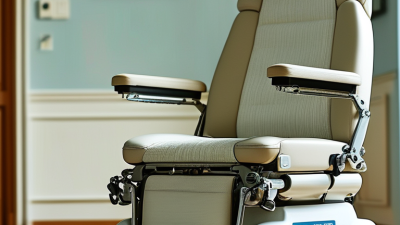
How to Choose an Electric Patient Lift Chair?
Choosing an Electric Patient Lift Chair is not simply a matter of comparing motors, upholstery, or advertised weight limits. It is a decision about safety, dignity, caregiver effort, and daily independence. The World Health Organization’s Global Report on Assistive Technology estimates that more than 2.5 billion people need assistive products today. That number may reach 3.5 billion by 2050. These figures show why dependable transfer equipment matters.
Audrey Nelson, PhD, a recognized safe patient-handling researcher, has stated, “There is no such thing as a safe lift.” Her warning deserves attention. Even a powerful Electric Patient Lift Chair can create risk when the sling, transfer path, brakes, or user posture is unsuitable. OSHA and NIOSH guidance also emphasizes reducing manual patient handling and controlling musculoskeletal injury risks. A chair should therefore be evaluated as part of a complete transfer routine, not as an isolated appliance.
This guide examines lifting range, seat stability, emergency lowering, battery performance, sling compatibility, and cleaning requirements. It also considers room layout. A narrow doorway or loose rug can defeat an otherwise excellent design. Real homes are imperfect. Product descriptions can be imperfect too. I may initially focus too much on technical specifications, while comfort and caregiver confidence are harder to measure. Still, careful comparison can reveal the better choice. Buyers should verify clinical suitability with a qualified healthcare professional, especially when users have fragile skin, limited trunk control, or complex mobility needs.
Read more »
 By:Olivia
- September 15, 2026
By:Olivia
- September 15, 2026