Mobility Equipment Blog & Resources
Expert articles, clinical guides, and healthcare technology innovations from Anrace.
Wheelchairs & Rehab Guides
In-depth insights into power mobility, manual wheelchairs, and patient lift chairs.
Empowering Independent Living
Discover global trends and manufacturing advancements in assistive products.
2026 Best Automatic Reclining Power Wheelchair?
Choosing the best Automatic Reclining Power Wheelchair in 2026 requires more than comparing prices or polished product photos. Real comfort depends on posture support, seat width, pressure management, battery range, and reliable controls. A chair may look advanced, yet feel unstable on uneven pavement or difficult to position beside a bed.
This guide examines practical features through an experience-based and safety-focused lens. It considers feedback from wheelchair users, caregivers, rehabilitation professionals, and mobility equipment specialists. Recline angles, tilt functions, footrest movement, joystick responsiveness, turning radius, and transfer height all deserve careful attention. Small details matter. A quiet motor can make indoor use less stressful. Clear buttons can help users with limited hand strength.
No single model suits every body or living space. That is easy to forget. A heavier chair may offer stronger support but create problems near narrow doorways. A longer battery range sounds useful, but terrain, rider weight, temperature, and battery age can reduce actual performance. Manufacturer claims should be checked against warranty terms, service access, replacement parts, and professional fitting advice.
The following overview compares important options for different mobility needs, including daily home use, outdoor travel, and extended sitting. It does not replace an assessment from a qualified clinician or mobility specialist. Instead, it offers a practical starting point for informed decisions. The best choice should support safer movement, sustainable comfort, and greater independence—not merely impressive specifications.
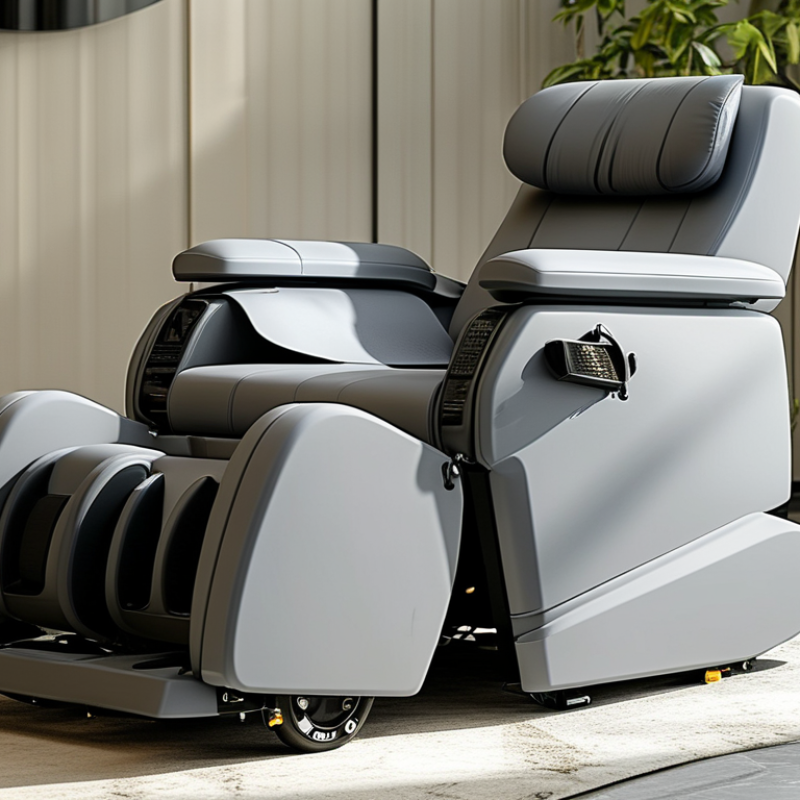
What Is an Automatic Reclining Power Wheelchair?
An automatic reclining power wheelchair is a motorized chair with an adjustable backrest. It changes the user’s sitting angle through a control system. Some models also raise the legrests or tilt the whole seat.
Automatic does not mean self-driving. It usually means powered positioning with buttons, a joystick, or a caregiver control. Reclining can reduce pressure on the lower back and support rest during long periods. However, the wrong angle may increase sliding, discomfort, or skin pressure. A seating specialist should check posture, hip alignment, head support, and cushion fit. A chair may feel excellent in a showroom, yet become difficult after several hours outdoors. That difference deserves honest attention.
Tips: Test the full recline position with your usual cushion and footwear. Check whether the joystick remains reachable after reclining. Ask how the chair stops during low battery conditions. Measure doorways, vehicle space, and turning areas before choosing. Caregivers should practice the controls slowly, especially near ramps or uneven flooring. Weight limits and maintenance needs also matter. I would not judge comfort from a five-minute trial. Real comfort may appear later, when the shoulders relax and the legs begin to feel heavy.
How Automatic Reclining Mechanisms and Controls Work
2026 Best Automatic Reclining Power Wheelchair?
An automatic reclining power wheelchair uses electric actuators to change the backrest angle. Some systems also raise the leg rests or tilt the entire seat. These movements are different. Recline opens the hip angle, while tilt shifts pressure without greatly changing the hip position. That distinction matters during long sitting.
Most controls use a joystick, buttons, or an attendant panel. A programmed command sends power to small motors through a control module. Limit switches stop movement at preset positions. Quality systems should also manage speed, battery load, and collision risks. ISO 7176 testing standards provide useful benchmarks for wheelchair stability and powered seating performance, but laboratory results cannot predict every home environment.
Control design deserves careful attention. A tired user may press the wrong button. A large, tactile switch can be safer than a crowded touchscreen. The WHO and UNICEF Global Report on Assistive Technology estimates that more than 2.5 billion people need assistive products worldwide. The need may exceed 3.5 billion by 2050. In the United States, the CDC’s 2022 National Health Interview Survey reported that 27.2% of adults had a disability. Those figures show demand, not proof that one mechanism suits everyone. I would test the chair with real cushions, a caregiver, and a narrow doorway. A showroom trial can be misleading. Pressure mapping, transfer practice, and repeated control use reveal weaknesses that specifications often hide.
Key Features to Compare in 2026 Models
2026 Best Automatic Reclining Power Wheelchair?
Key Features to Compare in 2026 Models
In 2026, comparing an automatic reclining power wheelchair requires more than checking motor speed. Recline angle, seat tilt, and elevating leg rests should move smoothly and independently. This matters during meals, rest, transfers, and long appointments. Ask whether the controls remain easy to reach with limited hand strength. Large, tactile buttons help. Wireless controls can feel convenient, but charging issues may appear. Keep a manual backup.
Safety deserves close attention. Look for stable braking, anti-tip protection, pinch-point coverage, and smooth stopping. A practical trial should include doorways, ramps, carpet, and uneven pavement. Published driving range is only an estimate. Passenger weight, temperature, hills, and battery age can reduce it. Check the total chair width, turning radius, and folded or transport dimensions before ordering. Small measurements matter.
Comfort is not just soft padding. The seat should support posture without forcing the hips forward during reclining. Pressure-distributing cushions may reduce discomfort, but individual assessment remains important. A qualified seating professional can check pelvic position, head support, leg alignment, and control placement. Ask about battery replacement, actuator servicing, warranty terms, and local repair access. I would not trust impressive specifications alone. Real-world use can expose problems that a showroom trial misses. No checklist is perfect. The buyer should record discomfort, noise, and control delays after repeated daily use.
Safety, Comfort, and Accessibility Considerations
2026 Best Automatic Reclining Power Wheelchair?
Choosing the best automatic reclining power wheelchair requires more than checking motor speed. Safety should guide every decision. A stable base, reliable brakes, anti-tip protection, and smooth recline controls reduce daily risks. Test the chair on ramps, carpet, and uneven thresholds before purchase. A sudden stop can be frightening.
Comfort depends on fit, not padding alone. The seat width should support your hips without pressing your sides. Adjustable head support, leg elevation, and breathable cushions can reduce fatigue during long periods of sitting. Recline movement should feel gradual, with no pinching near the hips or knees. Ask a qualified occupational therapist to assess posture and transfer needs. Small measurements matter.
Accessibility also includes control placement. Someone with limited hand strength may need a sensitive joystick or alternative switch. Voice controls sound convenient, but background noise can affect performance. Keep manual controls available. That detail is easy to overlook. Check doorway widths, table clearance, charging access, and transportation options at home. A chair that works in a showroom may fail beside a narrow bathroom door.
Battery range should be verified under realistic conditions, including hills, cold weather, and frequent adjustments. Read maintenance instructions carefully, and schedule professional inspections when needed. Personal testing remains essential, because comfort claims cannot predict every body shape or living environment. I would not choose the most automated model automatically. Simpler controls may prove safer for some users.
2026 Best Automatic Reclining Power Wheelchair? - Safety, Comfort, and Accessibility Considerations
| Evaluation Dimension | Representative Data or Recommended Range | Safety, Comfort, or Accessibility Relevance |
|---|---|---|
| Seat Width | Approximately 16–24 in (41–61 cm), commonly adjustable in 2-inch increments | A correct fit supports pelvic stability, pressure management, and safe passage through doorways. |
| Seat Depth | Approximately 16–22 in (41–56 cm) | The seat should support the thighs without pressing behind the knees; professional seating assessment is recommended. |
| Weight Capacity | Typically 300–450 lb (136–204 kg); heavy-duty models may support more | Capacity includes the user, cushions, luggage, and accessories. Exceeding the rated limit can affect braking and stability. |
| Power Recline Range | Commonly from approximately 90° upright to 160°–180° reclined | Recline can support rest, pressure redistribution, and personal care, but the user should remain properly positioned. |
| Power Tilt-in-Space | Often available from approximately 0° to 45° or more, depending on configuration | Tilt changes the seat-to-floor angle while maintaining body alignment and may help reduce prolonged pressure loading. |
| Elevating Leg Rest | Power-operated elevation is commonly available; angle and length vary by configuration | Useful for leg positioning and comfort. It should be coordinated with recline to avoid sliding or excessive knee pressure. |
| Maximum Travel Speed | Indoor-focused models are often 4 mph; some outdoor-capable models reach 6–8 mph | Lower speeds can improve control in crowded interiors. Local regulations may apply to higher-speed mobility devices. |
| Typical Travel Range | Approximately 10–25 miles (16–40 km) under test conditions | Actual range decreases with user weight, slopes, temperature, tire pressure, terrain, and frequent recline or tilt use. |
| Turning Radius | Approximately 20–30 in (51–76 cm) for many mid-wheel or compact designs | A smaller turning radius improves maneuverability in homes, elevators, bathrooms, and narrow corridors. |
| Ground Clearance | Often approximately 2–4 in (5–10 cm) | More clearance helps with thresholds and uneven surfaces, while a lower seat height may improve transfer accessibility. |
| Braking and Drive Control | Electromagnetic braking with programmable speed and acceleration is common | The chair should stop when the joystick is released and remain stable on ramps within its rated operating limits. |
| Anti-Tip and Stability Features | Anti-tip wheels, stability programming, and suitable drive-wheel geometry | These features reduce rearward tipping risk, especially during acceleration, ramp travel, or powered recline. |
| Control Accessibility | Joystick, attendant control, alternative drive controls, and programmable input options may be available | Controls should match the user’s strength, range of motion, vision, and cognitive needs. |
| Battery Type | Sealed lead-acid or lithium-ion batteries are commonly used; capacity is measured in ampere-hours | Battery chemistry affects weight, charging time, transport requirements, service life, and airline or transport eligibility. |
| Charging Time | Commonly 6–10 hours for a full charge, depending on battery size and charger | Charging should take place in a dry, ventilated area using the specified charger and electrical supply. |
| Seat Cushion and Pressure Management | Foam, air, gel, or hybrid cushions; pressure-relieving options require individual assessment | A cushion alone does not guarantee pressure-injury prevention. Skin checks and clinical guidance remain important. |
| Transfer Accessibility | Seat-to-floor height commonly falls around 18–21 in (46–53 cm), but varies widely | Seat height, removable armrests, swing-away leg rests, and transfer space should match the user’s transfer method. |
| Transport and Storage | Many reclining power wheelchairs weigh more than 250 lb (113 kg) and are not designed for lifting into a car | Check vehicle access, ramps, lifts, tie-down requirements, and whether the seating system can be secured safely. |
| Weather and Environment | Outdoor use is generally limited by the manufacturer’s water-resistance and temperature guidance | Avoid heavy rain, standing water, and extreme temperatures unless the equipment is specifically rated for those conditions. |
| Standards and Assessment | Look for applicable wheelchair performance testing, electrical safety documentation, and a professional seating evaluation | A qualified clinician or mobility specialist can verify fit, posture, pressure care, driving ability, and functional safety. |
Note: Specifications are representative industry ranges rather than a specification for one particular wheelchair. Actual performance depends on configuration, user weight, terrain, battery condition, and local accessibility requirements.
How to Choose and Maintain the Right Wheelchair
2026 Best Automatic Reclining Power Wheelchair?
Choosing an automatic reclining power wheelchair starts with the user, not the feature list. Measure seat width, thigh length, and hip position while wearing normal clothing. A seat that feels acceptable for five minutes may cause pressure after two hours. The World Health Organization and UNICEF reported in their Global Report on Assistive Technology (2022) that more than 2.5 billion people need assistive products, while nearly 1 billion lack access. Fit and service therefore matter as much as electronics.
Check the recline range, leg-rest movement, transfer height, and emergency manual controls. Ask whether the chair supports pressure relief without trapping the pelvis. A qualified seating professional should inspect posture, skin condition, and daily routes. Look for testing aligned with ISO 7176 wheelchair standards, especially braking, stability, and battery performance. Marketing language can sound precise. It is not always clinical evidence.
Maintenance should be visible and routine. Charge the battery according to the service manual, then inspect cables for crushing near the hinge. Keep motors and controller connections dry. Check tire wear weekly, especially after outdoor travel. Clean the seat cushion without soaking its foam. The RESNA Standards Committee recommends regular equipment inspection and individualized seating review, but real schedules vary with weight, terrain, and use. I would record faults in a small notebook, even minor clicking sounds. Waiting for a complete failure is an expensive habit. Test the recline function slowly, with feet supported and obstacles cleared.
FAQS
It is a motorized wheelchair with a powered adjustable backrest. It may also tilt the seat or raise the legrests. Automatic does not mean self-driving.
Reclining can reduce lower-back pressure during long periods of sitting. It may support rest during meals, appointments, or outdoor trips. The wrong angle can increase sliding or skin pressure.
Test the full recline with your usual cushion and footwear. Check joystick reach after reclining. Try doorways, ramps, carpet, and uneven pavement. Five minutes is not enough.
Look for stable brakes, anti-tip protection, and smooth stopping. Check whether moving parts have pinch-point protection. Practice controls slowly near ramps and uneven flooring. Sudden stops feel frightening.
The seat should support your hips without pressing your sides. A specialist can assess pelvic position, head support, and leg alignment. Cushion softness alone does not prove comfort. Bodies differ.
Large tactile buttons, sensitive joysticks, or alternative switches may help. Controls should remain reachable in a reclined position. Wireless controls need regular charging. Keep a manual backup.
Published range is only an estimate. Hills, cold weather, passenger weight, and battery age can reduce distance. Ask how the chair stops during low battery conditions. Real roads matter.
Measure doorway widths, table clearance, turning areas, and charging space. Check vehicle storage dimensions before ordering. A chair may fit a showroom but fail beside a narrow bathroom door. Small measurements matter.
Ask about battery replacement, actuator servicing, inspections, and repair access. Record unusual noise, delayed controls, or discomfort after daily use. Specifications can look impressive. I might still choose simpler controls.
Conclusion
Choosing the best Automatic Reclining Power Wheelchair in 2026 requires understanding how powered reclining systems improve positioning, rest, pressure management, and daily independence. These wheelchairs typically use electric motors controlled by a joystick, panel, or remote interface to adjust the backrest, seat angle, and sometimes leg supports. When comparing models, consider battery range, motor performance, weight capacity, seat dimensions, control accessibility, turning radius, cushioning, adjustability, and compatibility with indoor and outdoor environments.
Safety and comfort should remain the highest priorities. Look for stable frames, reliable braking, supportive seating, smooth movement, emergency stop functions, and controls that are easy to operate. Accessibility features may include programmable settings, alternative control options, and simple charging systems. The right wheelchair should match the user’s posture, mobility needs, home layout, and transportation requirements, ideally with professional guidance. Regular maintenance, including battery checks, tire inspection, cleaning, and control testing, helps preserve performance and extend the wheelchair’s service life.

Blog Tags: