Knowledge Base & Insights

Mobility Equipment Blog & Resources

Expert articles, clinical guides, and healthcare technology innovations from Anrace.

Clinical Innovations

Wheelchairs & Rehab Guides

In-depth insights into power mobility, manual wheelchairs, and patient lift chairs.

Global Healthcare

Empowering Independent Living

Discover global trends and manufacturing advancements in assistive products.

0%

Choosing a Foldable Carbon Steel Commode Stool requires more than comparing prices or folded dimensions. It involves safety, user comfort, bathroom space, and long-term reliability. The World Health Organization’s World Report on Ageing and Health identifies falls as a major threat to independent living. The U.S. Centers for Disease Control and Prevention also reports that more than one in four adults aged 65 and older falls each year. These figures make stability and transfer support practical priorities, not decorative features.

A well-designed Foldable Carbon Steel Commode Stool should provide a firm frame, secure leg locks, non-slip feet, and a comfortable seat height. Carbon steel can offer strong structural support, but its finish matters in humid bathrooms. Check powder coating, weld consistency, hinge protection, and resistance to corrosion. The seat opening should match the user’s needs, while the bucket and splash guard should remove easily for cleaning. Small details matter.

Relevant guidance, including ISO 21856 for assistive products and regional durability requirements, can help buyers ask better questions. However, standards do not replace product inspection. Request load testing, stability results, material specifications, and cleaning instructions from the supplier. A model rated for high weight may still feel unstable on uneven flooring. That is easy to miss. Consider the user’s transfer ability, caregiver access, storage habits, and bathroom layout before choosing. This guide examines those factors with practical judgment, while acknowledging an uncomfortable truth: product labels can sound more reliable than the evidence behind them.
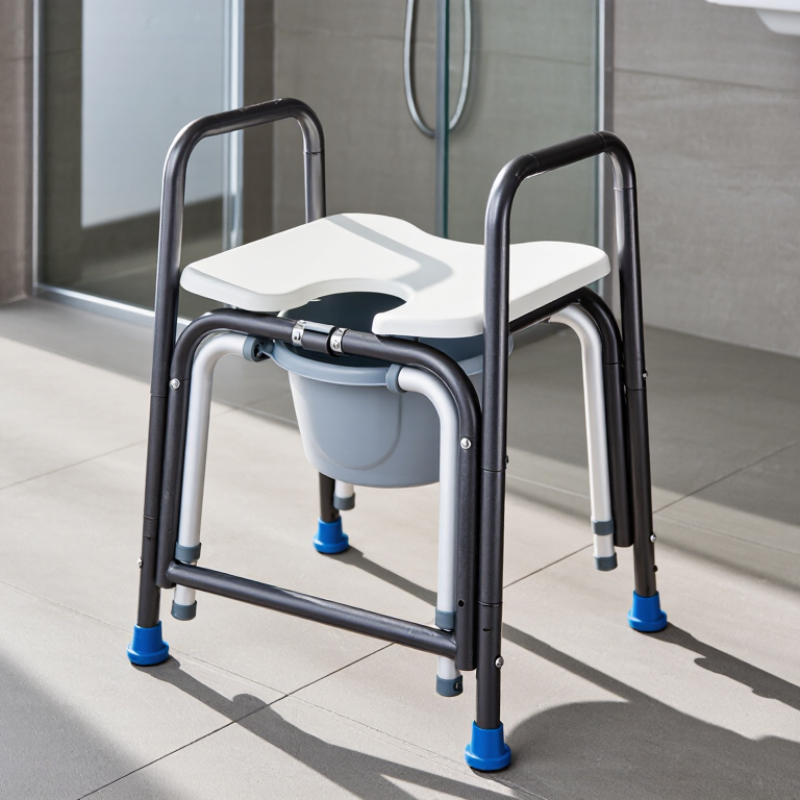
How to Choose a Foldable Carbon Steel Commode Stool?

What Is a Foldable Carbon Steel Commode Stool?

A foldable carbon steel commode stool is a portable toilet chair designed for users who need nearby bathroom support. Its steel frame provides a firm structure, while the folding joints allow easier storage or transport. Most models include a removable bucket, a toilet seat, and rubber feet. Some also offer armrests or adjustable height.

Carbon steel is strong and generally affordable. However, it may rust if its protective coating becomes damaged or stays wet. Check the frame welds, hinge movement, and surface finish before buying. The stated weight capacity should exceed the user’s body weight, not merely match it.

A wider seat may improve comfort, but it can reduce bathroom clearance. Measure the available space carefully.

I have found that “foldable” does not always mean effortless. Some hinges need both hands. That detail is easy to overlook.

Tips: Choose non-slip feet, a secure locking mechanism, and a bucket with a smooth inner surface. Confirm that the seat height suits the user’s knees and transfers.

Clean the bucket after each use, dry the frame, and inspect bolts regularly. If the chair rocks on a flat floor, stop using it until the cause is corrected.

Which Materials and Structural Features Matter Most?

A foldable carbon steel commode stool should feel stable before it feels convenient. Carbon steel offers useful strength and a reasonable price, but untreated steel can rust quickly around bathroom moisture. Look for a smooth, even powder-coated surface with no exposed welds or sharp edges. Check the stated load capacity, but do not treat it as an absolute guarantee. Real use includes movement, uneven floors, and repeated folding. A corrosion-resistant finish matters most near joints and lower legs.

The folding structure deserves close attention. Strong hinges should move smoothly without side-to-side wobbling. A positive locking mechanism must stay secure when the stool is occupied. Spring buttons, locking pins, or cross braces should be easy to inspect and operate. Rubber feet improve grip on wet tiles and protect the floor. I prefer wide, replaceable feet because small caps often wear sooner than expected. The seat should resist moisture and clean easily. Padded surfaces feel comfortable, yet seams may collect dirt.

Tips: Open and close the frame several times. Listen for grinding or loose movement. Press down on each corner. Confirm that the frame stays level. Inspect hinge gaps before buying. A lightweight design is helpful, but excessive lightness may indicate thin tubing. This is where convenience can become a compromise. Check whether the bucket, seat, and hardware can be removed for routine cleaning. Read care instructions carefully, because harsh chemicals may damage the coating.

How to Choose the Right Size, Weight Capacity, and Fit?

How to Choose a Foldable Carbon Steel Commode Stool?

Choose the size around the user’s body, not the bathroom corner. Measure hip width while seated, then allow roughly 2–5 cm of clearance on each side. The seat should support the thighs without pressing behind the knees. Feet should rest flat, with knees near hip level. A seat that is too high can make transfers unstable. A low seat may increase knee strain. Check the folded width, too. A frame may fit beside the bed but block a narrow doorway.

Weight capacity needs careful reading. Include body weight, clothing, and any pressure during transfers. A 300-pound rating is not a sensible target for a 300-pound user. Confirm whether the capacity refers to static loading, tested use, or the complete stool. CDC’s National Health Statistics Reports, Data Brief No. 360, reported average U.S. adult weights of 199.8 pounds for men and 170.8 pounds for women in 2015–2018. Averages are not personal safety limits. They can mislead.

Fit also depends on assistance. A caregiver may need extra side clearance for hand placement. Measure the toilet bowl and bathroom space before buying. WHO’s Global Report on Assistive Technology (2022) estimates that more than 2.5 billion people need assistive products worldwide, reinforcing the need for person-centered selection. I would recheck every measurement. My first estimate may be wrong. Look for secure locking joints, even leg height, non-slip feet, and clear capacity instructions. Folding convenience should never replace stable support.

How to Choose a Foldable Carbon Steel Commode Stool?

Compare typical seat widths and user weight capacities to select the right size, strength, and fit.

A narrow seat is generally suitable for smaller users or limited spaces, while a standard seat fits most adults. A wider or bariatric seat offers more clearance and stability for larger users. Choose a stool with a rated capacity above the user's body weight, and confirm the seat height allows the user's feet to rest flat on the floor.

What Safety and Comfort Features Should You Check?

How to Choose a Foldable Carbon Steel Commode Stool?

A safe commode stool should feel stable before anyone sits down. Open the frame fully and check whether every locking pin engages securely. The legs should stand evenly on the floor, without rocking or twisting. Wide, non-slip rubber feet help prevent movement on smooth bathroom tiles. Check the stated weight capacity carefully, and leave a sensible safety margin. Do not judge strength by appearance alone.

Comfort also depends on small details. The seat height should let the user place both feet firmly on the floor. Padded armrests can make sitting and standing less stressful, especially for users with limited balance. Look for a smooth, well-shaped opening and rounded edges. A removable bucket should slide out without forcing the frame. It should also have a secure handle and a lid that closes cleanly. Small gaps around hinges can trap moisture and dirt.

Foldability is useful, but it must not weaken daily safety. Test the folding action several times before use. The stool should fold smoothly and lock open without loose parts. Carbon steel offers strength, yet damaged coating may allow rust in humid bathrooms. Wipe the frame dry after cleaning and inspect welds, bolts, and feet regularly. I would not assume a lighter stool is easier to use; it may move unexpectedly. User needs differ, so a height trial with a caregiver or occupational professional is worth considering. Recheck the fit after real use.

How to Choose a Foldable Carbon Steel Commode Stool? - What Safety and Comfort Features Should You Check?

Use this checklist to compare foldable carbon steel commode stools before purchase and first use.
Feature to Check Recommended Specification Safety or Comfort Benefit What to Inspect Priority
Overall Weight Capacity Reduces the risk of frame deformation, joint failure, or instability during sitting and standing. Confirm the manufacturer's tested load rating and check that it applies to the complete stool, not only one component. Essential
Carbon Steel Frame Provides structural rigidity and helps protect the frame from moisture and bathroom humidity. Inspect welds, tubing, joints, and coating for cracks, sharp edges, exposed metal, or visible rust. Essential
Folding Lock Mechanism Prevents accidental folding or partial collapse while the user is transferring or seated. Open the stool completely and verify that every locking pin, latch, or brace engages fully without excessive play. Essential
Leg Stability Improves balance and limits rocking on smooth bathroom floors. Place the stool on a level surface and apply gentle pressure from different directions to check for rocking. Essential
Non-Slip Foot Tips Improves traction and reduces sliding on wet or smooth floors. Make sure the tips are not loose, hardened, split, worn, or missing; replace damaged tips before use. Essential
Seat Height Supports safer transfers and reduces strain on the knees and hips. Measure the seat height and compare it with the user's leg length, transfer ability, and toilet height. Essential
Height Adjustment Allows a more suitable sitting position for different users and bathroom layouts. Confirm that all adjustment buttons or pins extend completely through the frame and cannot be pressed accidentally. High
Seat Size and Shape Improves balance, comfort, and confidence during longer periods of use. Compare the usable seat dimensions with the user's body size; avoid edges that contact the thighs or hips. High
Seat Surface Helps maintain hygiene and reduces water accumulation after cleaning or bathing. Look for sealed surfaces, rounded edges, and drainage holes that do not create uncomfortable pressure points. High
Seat Padding Reduces pressure on the buttocks and improves comfort for users with limited mobility. Ensure the cushion does not slide, absorb water, crack, or create a gap that is difficult to clean. Medium
Backrest Offers additional posture support and may reduce fatigue while seated. Check that the backrest is firmly attached, does not flex excessively, and leaves enough room for safe positioning. Medium
Armrests Can provide leverage and support during sitting and standing. Apply gentle downward pressure to each armrest and check for movement, sharp edges, or interference with the user's hips. High
Commode Bucket Makes waste collection, transport, and cleaning more manageable. Confirm that the bucket sits level, cannot shift during use, and can be removed without touching contaminated surfaces. High
Splash Control Improves hygiene and reduces cleaning around the stool. Check that the guard is secure, smooth, easy to clean, and correctly aligned with the bucket opening. Medium
Cleaning and Disinfection Supports infection-control practices and extends product life. Read the care instructions and avoid chemicals or temperatures that may damage coatings, plastic, rubber, or padding. Essential
Portable Folded Size Makes the stool easier to store and transport without blocking walkways. Measure the folded height, width, and depth; consider the product weight and available storage space. Medium
User Fit and Transfer Space Reduces the chance of collisions, twisting, and unsafe sideways transfers. Test the intended bathroom position with the door, toilet, sink, and mobility equipment in their normal locations. Essential
Inspection Before Every Use Identifies wear or damage before it causes instability or injury. Do not use the stool if it wobbles, has loose hardware, damaged welds, cracked plastic, or missing feet. Essential

How to Compare Portability, Cleaning, and Storage Needs?

A foldable carbon steel commode stool should feel manageable before it feels impressive. Carbon steel offers useful strength, but it may weigh more than aluminum. Check the folded height, width, and actual carrying weight. A caregiver should lift it without twisting the wrist. Test the locking joints and confirm they stay secure during movement. Small details matter.

Cleaning needs can decide the better design. Choose a removable bucket with a wide opening and a firm handle. Smooth, coated surfaces usually wipe more easily than rough welds or deep seams. Check whether the seat, splash guard, and bucket tolerate the cleaning products you already use. Warm water alone may not remove every odor or residue. Use protective gloves and follow the product instructions. In daily care, awkward corners become annoying quickly.

Storage also deserves a physical test. Measure the space under a bed, beside a toilet, or inside a narrow closet. The stool should fold without forcing the frame or catching loose parts. Let wet components dry fully before folding them away, because trapped moisture can encourage rust. I once focused too much on folded size and overlooked the bucket handle. That small oversight made storage less convenient. A compact design is not always the easiest design. Look for a stable latch, practical carrying points, and enough clearance for clean handling.

FAQS

What material should a foldable commode stool use?

Carbon steel provides useful strength at a reasonable price. It may weigh more than aluminum. Untreated steel can rust quickly in bathroom moisture. Choose an even, corrosion-resistant coating without sharp edges or exposed welds.

How can I check whether the frame is stable?

Open and close the frame several times. Press down on each corner. Confirm that it remains level without rocking. A high load rating is helpful, but it is not an absolute guarantee.

What should I inspect on the folding mechanism?

Strong hinges should move smoothly without side-to-side wobbling. The locking mechanism must remain secure when occupied. Check spring buttons, locking pins, or cross braces carefully. Small gaps can reveal future problems.

Are rubber feet important?

Yes, rubber feet improve grip on wet tiles. They also protect the floor from scratches. Wide, replaceable feet may last longer than small caps. Test it physically.

What seat and bucket features make cleaning easier?

Choose a moisture-resistant seat with smooth surfaces. A removable bucket should have a wide opening and firm handle. Deep seams and rough welds can trap residue. Padded seats feel comfortable, but their seams may collect dirt.

How portable should the stool be?

Check its folded height, width, and actual carrying weight. A caregiver should lift it without twisting the wrist. Lightweight construction helps during transport. Too much lightness may indicate thin tubing.

How much storage space should I measure?

Measure under the bed, beside the toilet, or inside a narrow closet. Check whether the bucket handle catches during folding. A compact design is not always convenient. I once overlooked this detail.

How should I store the stool after cleaning?

Let the bucket and other wet parts dry fully before folding. Trapped moisture can encourage rust around joints and lower legs. Follow the care instructions carefully. Harsh chemicals may damage the protective coating.

Conclusion

A Foldable Carbon Steel Commode Stool is a practical bathroom aid designed to provide toileting support for people with limited mobility, during recovery, or in spaces where a standard toilet is not easily accessible. When choosing one, pay attention to the carbon steel frame, protective coating, weld quality, and locking structure, as these features influence durability and stability. The seat height, opening size, overall width, and weight capacity should match the user’s body shape, mobility needs, and available bathroom space.

Safety and comfort are equally important. Look for non-slip rubber feet, secure armrests, a stable backrest, smooth edges, and a comfortable, easy-to-clean seat. A removable bucket, splash protection, and simple hygiene-friendly surfaces can make daily use more convenient. Finally, consider the stool’s folded size, carrying weight, storage requirements, and cleaning process. The best option should balance strength, comfort, portability, and ease of maintenance while fitting securely into the intended environment.

Amelia

Amelia

Amelia is a professional marketing specialist with a deep understanding of the company’s products, customers, and evolving market needs. With extensive experience in strategic communication, content development, and customer-focused marketing, she transforms complex product information into clear,......