Mobility Equipment Blog & Resources
Expert articles, clinical guides, and healthcare technology innovations from Anrace.
Wheelchairs & Rehab Guides
In-depth insights into power mobility, manual wheelchairs, and patient lift chairs.
Empowering Independent Living
Discover global trends and manufacturing advancements in assistive products.
2026 Best Lightweight Manual Wheelchair for Adults?
Table of Contents
- What Makes a Manual Wheelchair Lightweight for Adults?
- Key Features to Assess Before Choosing a 2026 Model
- Comparing Frame Materials, Wheel Sizes, and Folding Mechanisms
- How to Match Wheelchair Design to Everyday Mobility Needs
- Safety, Comfort, Maintenance, and Long-Term Value Factors
- FAQS
- Conclusion
- Related Posts
Choosing the best Lightweight Manual Wheelchair for adults in 2026 requires more than comparing product weight or online ratings. A chair that looks ideal on a showroom floor may feel unstable on a cracked sidewalk, narrow doorway, or steep ramp. This guide examines practical details, including frame strength, seat width, folding design, wheel performance, brake access, and long-term comfort. It also considers the user’s daily routine, body support needs, transport method, and available caregiver assistance.
Real-world experience matters.
A dependable evaluation should combine manufacturer specifications, professional rehabilitation guidance, and feedback from adults who use wheelchairs regularly. No single model suits everyone. A lightweight frame may improve lifting and storage, yet it can sacrifice adjustment options or ride comfort. A compact chair may fit a car trunk but offer less stability outdoors. These trade-offs deserve honest attention, not exaggerated claims. Product quality can also vary between batches, retailers, and regional configurations. That is easy to overlook.
This overview will help readers compare leading choices with clearer expectations. It will discuss who each chair may suit, where it may perform poorly, and which features deserve hands-on checking. Before purchasing, users should confirm measurements with a qualified healthcare professional or seating specialist. Proper fit can affect posture, pressure management, propulsion effort, and safety. The “best” option is not always the lightest one. It is the chair that supports real life, consistently and safely.
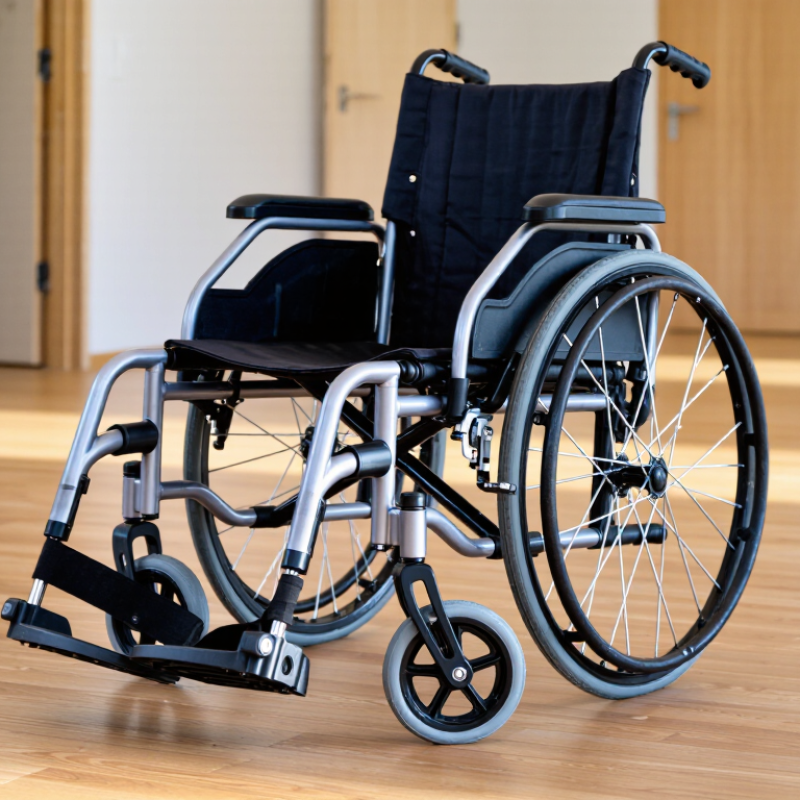
What Makes a Manual Wheelchair Lightweight for Adults?
A lightweight manual wheelchair for adults is more than a low number on a product label. True portability depends on frame design, materials, wheel size, and how weight is distributed. Aluminum or carbon-based frames can reduce lifting effort, but durability and repairability still matter. A very light chair may feel less stable on uneven pavement. That trade-off deserves attention.
Measure the chair’s actual transport weight, not only its advertised frame weight. Removable wheels, quick-release axles, and swing-away footrests can make loading easier. A compact folding frame may fit beside a car seat, while a rigid frame can feel more efficient during daily movement. Seat width and depth also affect comfort. If the seat is too wide, propulsion becomes awkward. If it is too narrow, pressure may build near the hips.
I once focused too much on the scale. That was a mistake. A chair that is light but poorly fitted can demand more effort over a long day. Check the push rims with both hands. Test turning in a narrow hallway. Notice whether the footrests catch on curbs. Small details matter. A qualified rehabilitation professional can assess posture, pressure risk, transfer ability, and the user’s typical terrain. The best choice should balance lifting ease, control, comfort, and dependable daily use.
Key Features to Assess Before Choosing a 2026 Model
2026 Best Lightweight Manual Wheelchair for Adults?
Key Features to Assess Before Choosing a 2026 Model
A lightweight manual wheelchair should be judged by more than its listed frame weight. Check the chair’s folded size, seat width, seat depth, and maximum user weight. A narrow doorway can expose poor planning quickly. Measure your home, car storage area, and regular routes before ordering.
Wheel size and handrim position affect daily control. Larger rear wheels may support easier self-propulsion, while smaller wheels can simplify transfers and storage. Test the brakes with both hands. They should engage firmly without excessive force. Footrests must swing away or remove easily, especially for side transfers. A cushion with suitable pressure distribution can improve comfort during longer sitting, but it should not replace professional seating advice.
Frame stiffness, anti-tip devices, and adjustable axle positions deserve careful attention. These features influence stability, turning, and how easily the chair rolls over carpet or uneven pavement. Weight alone can mislead. A very light chair may feel less stable for some adults. I would ask a qualified seating specialist or occupational therapist to assess posture, shoulder movement, and everyday terrain. A short trial matters more than attractive specifications. Bring a backpack, test a gentle ramp, and fold the chair into the vehicle. It is easy to overlook lifting strength. Recheck the warranty, maintenance guidance, and replacement-part access before deciding.
2026 Best Lightweight Manual Wheelchair for Adults
Key dimensional benchmarks to assess before choosing a lightweight manual wheelchair
The chart shows representative specification values commonly used when screening lightweight adult manual wheelchairs: seat width, seat depth, seat height, folded width, and rear-wheel diameter. Actual measurements vary by configuration, so confirm the manufacturer’s technical data, user weight capacity, fit, and transport requirements before purchase.
Comparing Frame Materials, Wheel Sizes, and Folding Mechanisms
Choosing the best lightweight manual wheelchair for adults starts with materials, wheel size, and folding design. The World Health Organization and UNICEF reported in 2022 that more than 2.5 billion people need assistive products worldwide. That scale makes fit and safety more important than marketing language.
Aluminum frames usually reduce lifting effort, while steel offers strength but adds noticeable weight. Titanium can combine low weight with durability, yet its cost may challenge many buyers. Carbon fiber is light, but repairs and impact concerns deserve careful assessment. I would not judge weight alone. A chair that feels light in a showroom may become tiring on uneven pavement.
Wheel size changes daily control. Rear wheels near 24 inches support self-propulsion and better curb negotiation. Smaller wheels, often around 12 to 16 inches, suit attendant-propelled models and tighter storage spaces. Folding mechanisms create another compromise. Cross-brace frames fold quickly beside a car seat, but they may transfer less pushing energy than rigid frames. Rigid frames can feel efficient, though they demand more storage planning. ISO 7176-5 provides standardized wheelchair dimension and mass measurement methods, while ISO 7176-19 addresses wheelchair use as a vehicle seat. These standards do not replace a clinical fitting. Seat width, axle position, footrest clearance, and brake access still need hands-on checking. I have seen buyers prioritize a sub-10-kilogram frame, then struggle with poor posture and difficult transfers. That choice looks efficient. It is not always practical.
How to Match Wheelchair Design to Everyday Mobility Needs
2026 Best Lightweight Manual Wheelchair for Adults?
The best lightweight manual wheelchair depends on daily movement, not a product label. Start with where the chair will travel. Smooth indoor floors need different features from cracked sidewalks or uneven paths. Measure doorways, vehicle space, and turning areas before choosing. A narrow frame may improve access but reduce seating room. Seat width, depth, and height should support stable posture and easier transfers. A physical therapist or qualified wheelchair specialist can check these measurements more accurately. In practical fittings, small errors often cause shoulder strain, sliding, or poor foot placement.
Tips: Choose quick-release wheels for frequent transport. Check the folded size against your car. Consider push-rim position and brake reach. Look for adjustable footrests if leg length may change. Test the chair on ramps, thresholds, and carpet. Ask whether repairs and replacement parts are easily available.
A lightweight frame is helpful, but lighter does not always mean easier. A rigid design may roll efficiently, while a folding design can simplify storage. Users with limited arm strength may need different wheel positions or assisted propulsion. Caregivers should test pushing effort with realistic loads. I once underestimated how tiring a small curb could become after several trips. That experience changed my view of “everyday mobility.” Comfort, balance, durability, and transport should be judged together. A short trial may reveal problems that specifications hide.
Safety, Comfort, Maintenance, and Long-Term Value Factors
Choosing the best lightweight manual wheelchair for adults in 2026 requires more than checking its listed weight. Safety begins with a stable frame, dependable wheel locks, secure footrests, and correctly fitted seating. On uneven pavement, small front casters can catch unexpectedly. Test turning, braking, and transfers before purchase. A qualified seating professional can assess posture, reach, and pressure distribution.
Comfort depends on seat width, cushion support, back angle, and breathable materials. A chair that feels fine for ten minutes may become painful after two hours. Armrest height matters near tables. Measure doorways, ramps, and vehicle storage space at home. Do not trust estimates alone. One practical mistake is choosing the lightest chair without considering daily pushing effort or user strength. A slightly heavier model with better adjustability may provide greater long-term value. The lightest option is not always the wisest.
Tips: Check tire pressure, wheel alignment, brakes, and fasteners every few weeks. Clean dirt from moving joints and inspect upholstery for hidden wear. Ask whether replacement cushions, tubes, and footrests are reasonably available. Keep a simple maintenance record. It takes minutes. Even careful buyers can overlook transfer comfort or repair costs, so reassess the chair after real use, not only during a showroom trial.
2026 Best Lightweight Manual Wheelchair for Adults? – Safety, Comfort, Maintenance, and Long-Term Value Factors
Practical comparison of common lightweight manual wheelchair categories. Specifications are typical market ranges and should be verified against the final product’s documentation and user assessment.
| Wheelchair Category | Typical Chair Weight | Typical User Weight Capacity | Common Seat Widths | Transport and Storage | Safety Considerations | Comfort and Adjustability | Maintenance Needs | Long-Term Value | Best Suited For |
|---|---|---|---|---|---|---|---|---|---|
| Ultra-Light Rigid-Frame Manual Wheelchair | Approximately 8–13 kg (18–29 lb), usually excluding rear wheels or accessories | Typically 113–136 kg (250–300 lb); higher-capacity versions may be available | 36–51 cm (14–20 in) | Folds or breaks down partially; compact footprint but may require wheel removal for smaller vehicles | Stable frame, reliable wheel locks, correctly adjusted rear-wheel position, anti-tip devices when clinically appropriate, and a properly fitted seat are important | Efficient propulsion and responsive handling; seat depth, back angle, cushion, camber, and axle position often offer adjustment options | Check tire pressure, handrims, wheel bearings, casters, fasteners, and upholstery regularly; rigid frames have fewer folding joints | Often strong for frequent users because low weight and durable frames reduce lifting effort and daily wear; initial cost can be higher | Independent or assisted users who travel frequently and have adequate trunk control and propulsion skills |
| Lightweight Folding Aluminum Wheelchair | Approximately 11–16 kg (24–35 lb), depending on wheel size and accessories | Typically 100–136 kg (220–300 lb) | 38–51 cm (15–20 in) | Folds for car trunks and storage; folding width commonly remains greater than the wheel width | Use wheel locks only on stationary surfaces; inspect cross-brace hardware, brakes, footrests, and anti-tip devices before use | Usually offers a more forgiving ride and a wider range of seating options than basic transport chairs; cushion selection strongly affects comfort | Keep folding joints clean, tighten loose hardware, inspect the cross-brace, maintain tires, and replace worn upholstery or footrest parts | A practical balance of portability, availability of replacement parts, and purchase cost for regular home and community use | Adults needing a versatile everyday chair that can be transported without the complexity of a rigid-frame setup |
| Self-Propelled Lightweight Folding Wheelchair | Approximately 12–18 kg (26–40 lb), including larger rear wheels in many configurations | Typically 100–136 kg (220–300 lb) | 41–51 cm (16–20 in) | Folds for transport; large rear wheels improve independence but increase folded size and lifting weight | Handrims should be secure and easy to grip; ensure the chair is stable on slopes and use anti-tip devices where recommended | Better control and posture options than attendant-only chairs; ergonomic handrims and a pressure-distributing cushion can reduce fatigue | Inspect handrims, spokes, tires, wheel locks, casters, and quick-release axles; lubricate only components specified by the manufacturer | Good value when the user will propel independently; larger wheels and replaceable components can extend useful service life | Adults with sufficient upper-body strength who need independent indoor and outdoor mobility |
| Attendant-Propelled Transport Chair | Approximately 7–12 kg (15–26 lb) | Typically 100–136 kg (220–300 lb) | 41–51 cm (16–20 in) | Very portable and usually folds quickly; small rear wheels reduce storage space but may limit independent use | Attendant hand brakes, parking brakes, footrests, and secure occupant positioning are important; it should not be treated as a self-propelled chair | Simple seating with limited adjustment; a suitable cushion and correctly positioned footrests improve short-term comfort | Check brakes, wheel attachment, footrests, frame fasteners, and upholstery frequently because the chair depends on attendant control | Excellent portability for occasional use, but may offer lower long-term value for users who need daily independent mobility | Short trips, appointments, travel, or users who are always pushed by a trained attendant |
| Lightweight Bariatric Manual Wheelchair | Approximately 16–25 kg (35–55 lb), depending on seat width and frame construction | Commonly 159–227 kg (350–500 lb); confirm the exact tested capacity | 51–66 cm (20–26 in) | Folding models are available, but wider seats require more vehicle and storage space | Capacity rating, frame width, wheel locks, reinforced footrests, anti-tip protection, and correct seat fit are critical safety factors | Wider seat and reinforced upholstery improve support; seat width should allow pelvic stability without excessive lateral movement | Inspect frame welds, cross-braces, wheel locks, tires, casters, and footrests more frequently because loads are higher | Can provide better durability and safety than an undersized standard chair; transport and replacement-part costs may be higher | Adults requiring a higher weight capacity and reinforced seating system for routine mobility |
| Reclining or Tilt-Assist Lightweight Manual Wheelchair | Approximately 18–30 kg (40–66 lb), generally heavier because of positioning hardware | Typically 100–159 kg (220–350 lb), depending on frame and mechanism | 41–51 cm (16–20 in) | Usually folds, but the reclining back and positioning components increase folded size and handling weight | Use only with appropriate occupant positioning, pelvic support, head support when required, secure brakes, and trained caregiver operation | Supports pressure relief, rest, posture management, and longer sitting periods; professional seating assessment is strongly recommended | Inspect cables, locks, recline or tilt mechanisms, upholstery, headrest hardware, and frame joints on a regular schedule | Higher purchase and maintenance costs may be justified when positioning, pressure management, or caregiver support is a daily requirement | Adults with postural, fatigue, pressure-management, or assisted-positioning needs |
FAQS
Measure doorways, turning spaces, vehicle storage, and regular outdoor routes. Check seat width, depth, height, and folded size. Small errors can cause trouble.
Not always. A very light frame may feel less stable for some adults. Balance weight, stiffness, comfort, and control.
Larger rear wheels may support easier self-propulsion. Smaller wheels can simplify transfers and storage. Test both options when possible.
Apply both brakes using normal hand pressure. They should engage firmly without excessive force. Test them on a gentle slope.
Footrests should swing away or detach easily. This helps during side transfers. Adjustable supports may suit changing leg lengths.
Test it on smooth floors, carpet, thresholds, ramps, and uneven pavement. A chair that works indoors may struggle outside. I once underestimated small curbs.
A folding frame can simplify storage and vehicle transport. A rigid frame may roll more efficiently. Try folding it and lifting it yourself.
Seat measurements affect posture, shoulder movement, sliding, and foot placement. A qualified seating specialist can assess these details. Product specifications may hide problems.
Caregivers should push the chair with realistic bags and loads. They should test ramps, turning, braking, and vehicle loading. Lifting strength is easy to overlook.
Review warranty coverage, maintenance instructions, and replacement-part access. Ask how repairs are handled locally. I might focus too much on features and forget upkeep.
Conclusion
Choosing the best Lightweight Manual Wheelchair for adults in 2026 requires more than focusing on low weight. A practical model should balance portability, strength, stability, and ease of use. Important factors include frame materials, overall chair weight, wheel size, folding mechanisms, seat dimensions, footrest design, braking performance, and adjustability. Aluminum or other durable lightweight materials may improve transport, while larger wheels can support smoother movement and better control on varied surfaces. A compact folding design is useful for storage and travel, but it should remain rigid and secure during everyday use.
The right wheelchair should match the user’s mobility level, home environment, commuting habits, and frequency of outdoor use. Comfort features such as supportive seating, suitable cushioning, ergonomic hand rims, and proper posture adjustment can improve daily experience. Buyers should also evaluate safety, maintenance requirements, replacement-part availability, weight capacity, and long-term durability. By considering these elements together, adults can select a reliable wheelchair that offers practical mobility, comfort, and lasting value.

Blog Tags: