
Featured Lightweight & Power Wheelchairs for the Kenyan Market
Direct factory supply of high-performance motorized and manual lightweight mobility chairs certified for East African hospital, retail, and commercial distribution.
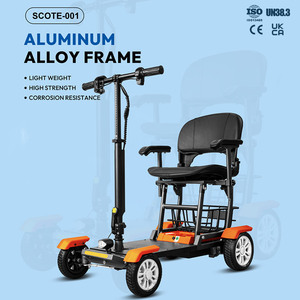
Frame: Compact Folding Alloy
Suitability: Urban & Commercial
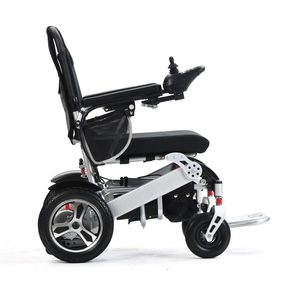
Function: Ergonomic Reclining Backrest
Use Case: Medical Rehab & Extended Comfort
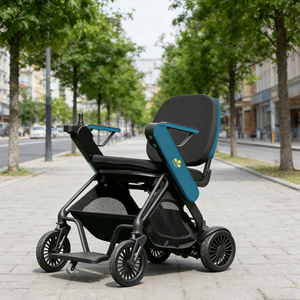
Control: Smart App & Joystick
Feature: One-Touch Auto-Folding
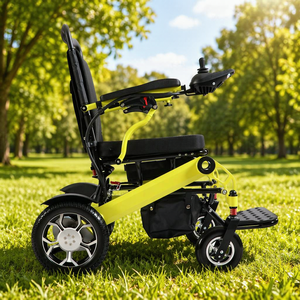
Structure: Ultra-Light Aircraft Alloy
Portability: Fits Standard Matatu Trunk
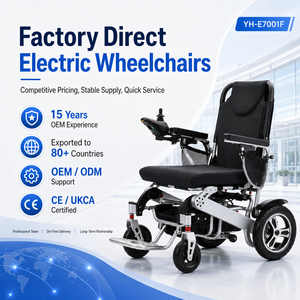
System: Smart Reclining Angle Control
Material: Reinforced Aluminum
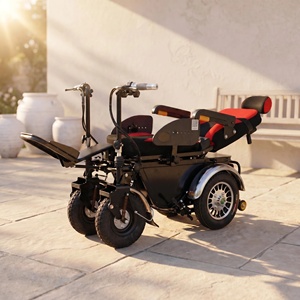
Legrest: Power Adjustable Elevation
Target: Clinical Rehabilitation & Spinal Support
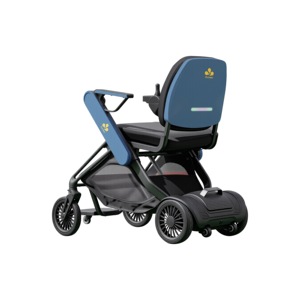
Speed Range: 1.5 - 6.0 km/h Adjustable
Terrain: Gravel, Asphalt & Unpaved Paths
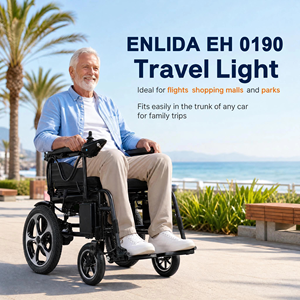
Load Rating: 120kg Heavy Load
Rear Wheels: 16-Inch High Traction
Executive Summary: The Growing Demand for Mobility Equipment in Kenya
Kenya has experienced rapid economic expansion, urban development, and an upgrading healthcare infrastructure across major cities including Nairobi, Mombasa, Kisumu, and Eldoret. With this growth, the healthcare sector is undergoing a profound transformation. Increased emphasis on accessible public infrastructure, disability rights, and specialized orthopedic rehabilitation has triggered an unprecedented surge in demand for high-performance, lightweight, and motorized wheelchairs.
For B2B importers, hospital procurement officers, medical equipment distributors, and non-governmental organizations (NGOs) operating in East Africa, selecting the right manufacturing partner is a strategic imperative. Sourcing lightweight wheelchairs for Kenya involves navigating distinct local operational constraints, such as unpaved feeder roads, high ambient heat, unpredictable power grid stability for battery recharging, and strict regulatory standards set by the Kenya Bureau of Standards (KEBS) and the Pharmacy and Poisons Board (PPB).
Key Information Gain for Kenyan B2B Buyers
This industry report provides an objective technical evaluation of the top global wheelchair manufacturers serving the Kenyan market. It outlines crucial factors including material fatigue under African road conditions, battery chemistry selection (Lithium-ion vs. Sealed Lead-Acid), customs clearing efficiency through the Port of Mombasa, and total cost of ownership (TCO) for local distributors.
Market Dynamics & Intent Analysis: Sourcing Lightweight Wheelchairs in Kenya
User intent mining reveals that institutional and retail buyers in Kenya search for mobility solutions with very specific technical priorities. Unlike European or North American markets where ultra-flat indoor surfaces predominate, Kenyan users require multi-terrain reliability coupled with extreme portability.
Terrain & Frame Robustness
Structural integrity is paramount. Wheelchairs must withstand mixed terrain—ranging from paved urban highways to rough gravel paths and red dust (murram) roads in peri-urban and rural areas.
Battery Efficiency & Range
Frequent power fluctuations mean long-lasting lithium batteries and dual-charging modes (AC grid + solar generator compatible) are highly prized by healthcare institutions and rural end-users alike.
Public Transport Adaptability
Lightweight auto-folding mechanisms allow wheelchairs to be easily stowed in the compact luggage compartments of local Matatus (minibuses) and regional express buses.
Top 10 Lightweight Wheelchair Manufacturers & Factories Serving Kenya
Below is a comparative breakdown of the top 10 manufacturing brands and OEM export factories supplying high-quality lightweight manual and electric wheelchairs to East African buyers.
| Manufacturer / Brand | Primary Specialty | Frame Material | Kenya/East Africa Logistics Support | KEBS & ISO Status |
|---|---|---|---|---|
| Anrace Assistive Mobility | Power & Manual Lightweight OEM/ODM | Aircraft Grade Aluminum / Carbon Steel | Direct Sea Freight to Mombasa / Air Cargo to JKIA | ISO 13485 / CE Certified |
| Sunrise Medical (Quickie) | Ultra-Light Active Manual Wheelchairs | Titanium / Aluminum Alloy | Regional African Distributors | FDA / CE / ISO |
| Invacare Corporation | Clinical Mobility & Power Chairs | High-Tensile Steel / Lightweight Alloy | Global Logistics Partners | ISO 13485 / CE |
| Permobil AB | Complex Rehab Power Standing Chairs | Custom Molded Alloys | Direct Corporate Contracts | ISO / Medical Grade |
| Drive DeVilbiss Healthcare | Compact Travel & Foldable Scooters | Aluminum Tubing | East Africa Representative Outlets | CE / ISO Compliant |
| Meyra GmbH | Ergonomic Orthopedic Wheelchairs | Precision Steel & Alloy | European Export Hubs | DIN EN ISO 13485 |
| Foshan Dongfang Medical | Mass Market Hospital Manual Chairs | Standard Chrome-Plated Steel | Bulk Container Sea Freight | ISO 9001 / CE |
| Karman Healthcare | Ergonomic Ultra-Lightweight Series | S-ERGO Aluminum Alloy | International Freight Forwarding | FDA / CE Certified |
| Ki Mobility | Custom Rigid & Folding Manual Chairs | 7000 Series Aluminum | Direct Import Channels | ISO Certified |
| ENLIDA Mobility Solutions | Heavy-Duty Dual Motor Power Chairs | Reinforced Tubular Steel | Direct Factory Export to Africa | CE / ISO Certified |
In-Depth Analysis of OEM Manufacturing Capabilities & Technical Criteria
1. Structural Engineering & Weight Optimization
When selecting a manufacturer for the Kenyan market, weight-to-strength ratio is the decisive factor. Modern lightweight power wheelchairs utilize 6061-T6 and 7075-T6 aircraft-grade aluminum alloys. These alloys reduce total chassis weight to under 25kg (excluding battery), while maintaining structural payloads of up to 120kg. For heavy-duty hospital transfer applications, reinforced carbon steel frames (such as the ENLIDA EH0190 model) provide ultimate durability against high daily abuse in clinical environments.
2. Power Distribution & Drive Systems
Electric wheelchairs intended for African terrain require dual high-torque motors (typically 250W x 2). Brushless motor technology is preferred over traditional brushed motors due to its superior energy efficiency, lower heat dissipation in tropical climates, and maintenance-free operation. Coupled with 360-degree intelligent joystick controllers, these units allow smooth navigation through tight indoor hospital corridors as well as outdoor unpaved paths.
3. Battery Chemistry: Lithium-Ion vs. Maintenance-Free Lead-Acid
Kenyan importers must carefully evaluate battery configurations based on end-user purchasing power and logistical channels:
- Lithium-Ion (12Ah - 20Ah): Provides 3x longer cycle life, rapid charging within 4-5 hours, and significant weight reduction. Ideal for travel scooters and smart app-controlled auto-folding models (e.g., ZW505). Crucially, lithium batteries must comply with UN38.3 transport standards for safe air and sea freight.
- Sealed Lead-Acid / AGM (12V/12Ah x 2): Offers a lower initial capital investment, making it highly attractive for cost-sensitive regional government tenders and rural clinic distribution. SLA batteries are extremely stable under high heat and easily sourced locally for replacement.
Localized Application Scenarios in Kenya
To maximize product utility and client satisfaction, imported wheelchairs must match the everyday physical environments of Kenyan towns and countryside:
Scenario A: Urban Commuting in Metro Nairobi & Mombasa
Navigating crowded urban centers such as Westlands, Upper Hill, or CBD Nairobi demands agile, compact turning radiuses (under 900mm). Smart auto-folding models like the ZW505 Intelligent Power Wheelchair enable users to seamlessly transition from apartment elevators into ride-hailing vehicles or private cars without assistance.
Scenario B: Multi-Terrain Performance in Peri-Urban & Upcountry Areas
In locations outside major urban grids—such as rural Kiambu, Nakuru, or Machakos—paved sidewalks are rare. Wheelchairs equipped with 16-inch heavy-tread rear pneumatic or honeycomb explosion-proof tires absorb severe shocks from rocky terrain, mud, and unpaved shoulders, protecting the rider’s spine from chronic vibration stress.
Scenario C: Clinical Rehabilitation & Patient Transfer in Hospitals
Kenyan private medical centers and public referral hospitals (e.g., Kenyatta National Hospital, Moi Teaching & Referral Hospital) require multi-functional standing and reclining electric wheelchairs. Models featuring electric lifting legrests and stand-up assist functions assist in preventing pressure sores, improving blood circulation, and empowering physical therapy routines.
East Africa Mobility Industry Trends & Import Regulations
Understanding regulatory requirements ensures smooth customs clearance and prevents costly demurrage charges at the Port of Mombasa or Jomo Kenyatta International Airport (JKIA):
- PVoC (Pre-Export Verification of Conformity): All medical equipment entering Kenya must undergo PVoC inspection in the country of origin. A Certificate of Conformity (CoC) issued by authorized inspection agents (such as SGS, Intertek, or Cotecna) is mandatory for customs clearance.
- KEBS Standards Alignment: Wheelchairs must comply with ISO 7176 series standards governing structural strength, static stability, and brake efficiency.
- Tariff & Duty Exemption Considerations: Under the East African Community (EAC) Common External Tariff (CET), certain assistive devices and medical equipment designated for persons with disabilities qualify for tariff concessions or VAT exemptions upon approval by the Kenya Revenue Authority (KRA) and Ministry of Health.
- Solar Energy Integration: With off-grid solar home systems expanding rapidly across rural Kenya, manufacturers offering DC 24V solar-compatible fast chargers gain a major competitive advantage in regional tenders.
Frequently Asked Questions (FAQ) for Kenya B2B Buyers
Why Partner with Anrace Assistive Mobility for Your Kenyan Business
As a global leader in medical mobility manufacturing, Anrace Assistive Mobility combines cutting-edge robotic welding, automated powder coating, and rigorous ISO 13485 quality management systems. Our dedicated export division possesses extensive experience serving healthcare partners, government agencies, and retail medical suppliers across Kenya and East Africa.
Whether you are establishing a new medical supply retail store in Nairobi, fulfilling a competitive NGO tender, or upgrading hospital rehabilitation facilities, our team offers tailored OEM/ODM engineering, competitive factory-direct pricing, and end-to-end logistics support.