
Featured Pediatric & Cerebral Palsy Wheelchair Models
Export-ready, ISO-certified pediatric wheelchairs designed for spasticity management, postural stabilization, and dynamic positioning in clinical and homecare environments.
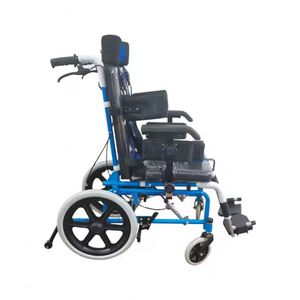
High Quality Medical Therapy Safety CP Hospital Wheelchair
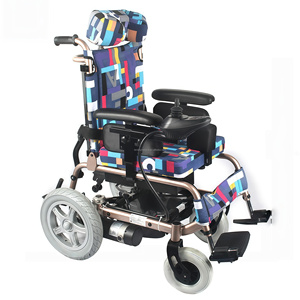
Electric Pediatric Cerebral Palsy Motorized Wheelchair
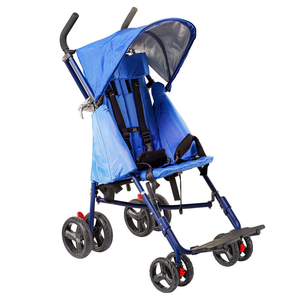
Lightweight Aluminum Alloy Waterproof Folding Pediatric Stroller
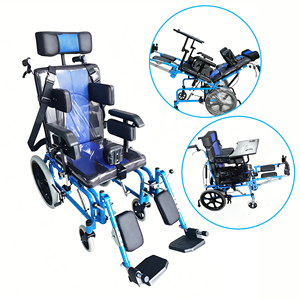
100KG Capacity Heavy-Duty Manual Reclining CP Wheelchair
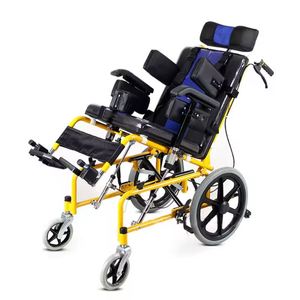
Hospital Furniture Grade Children's CP Safety Therapy Wheelchair
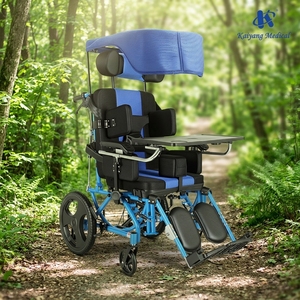
Multifunctional Pediatric CP Wheelchair with Tray (Ages 2-12)
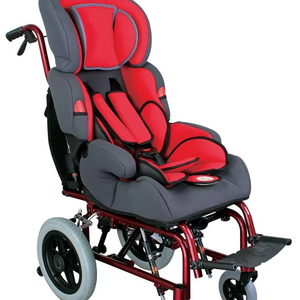
Full-Spectrum Pediatric & Young Adult Reclining CP Wheelchair
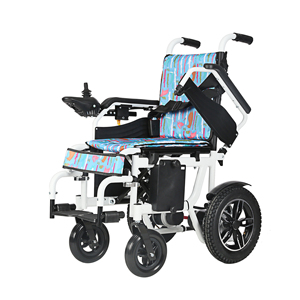
Compact Foldable Lithium-Battery Electric Pediatric Wheelchair
Pediatric Wheelchair Supply Chain Dynamics in the Pacific Northwest
As a key healthcare hub hosting world-renowned institutions such as Seattle Children's Hospital, the University of Washington Medical Center, and regional outpatient rehabilitation clinics, Seattle presents rigorous procurement standards for assistive mobility devices. Medical equipment buyers, Durable Medical Equipment (DME) distributors, and hospital purchasing departments across King County and the broader Pacific Northwest require pediatric mobility solutions that fuse clinical posture correction with extreme structural durability.
Children suffering from neuromuscular disorders, spina bifida, muscular dystrophy, and particularly Cerebral Palsy (CP) present complex clinical needs. Standard pediatric wheelchairs often fail to prevent hip dislocation, pelvic obliquity, or progressive scoliosis. Our enterprise supply and export framework delivers engineered mobility chairs equipped with adjustable pelvic positioning, tilt-in-space pressure management, and modular growth frames designed to adapt as pediatric patients develop.

Engineering Adaptations for Seattle & Pacific Northwest Environments
Seattle’s unique topography—characterized by steep urban gradients, wet maritime precipitation patterns, and active public transit usage—demands specialized pediatric wheelchair construction.
Maritime Moisture Resistance
Seattle averages over 150 rainy days per year. Our export-grade pediatric wheelchairs feature anodized aluminum alloy frames and sealed electronic joystick assemblies. Powder-coated carbon steel chassis and waterproof, anti-bacterial PU upholstery resist corrosion, mold, and degradation caused by damp Pacific Northwest weather conditions.
Incline & Terrain Stability
Navigating hilly districts such as Capitol Hill, Queen Anne, and Downtown Seattle requires enhanced center-of-gravity engineering. Our manual reclining and electric pediatric models incorporate anti-tipping rear wheels, solid polyurethane non-marking tires, and dual electromagnetic braking systems that prevent rollback on 12-degree grade slopes.
Sound Transit & Bus Accessibility
Modern Seattle pediatric mobility must integrate effortlessly with King County Metro and Sound Transit Light Rail systems. Lightweight folding structures enable quick collapse and compact storage, while reinforced 4-point tie-down transport anchors ensure compliance with ADA public transit safety standards.
Key Local Procurement Trends in Pediatric Assistive Devices
Understanding the strategic shifts in pediatric DME procurement across Washington State and North American healthcare systems.
1. Transition Toward "Growth-Adaptable" Modular Frames
Pediatric healthcare providers in Seattle are increasingly prioritizing wheelchairs that accommodate biological growth. Replacing mobility equipment every 18 months creates financial strain on healthcare providers and insurance channels. Advanced pediatric frames now incorporate adjustable seat depth (ranging from 25cm to 40cm), telescoping backrests, and expandable footplate assemblies, allowing a single chair to serve a child effectively across a 4-to-6 year developmental span.
2. Clinical Emphasis on Dynamic Pelvic Stabilization
Occupational therapists and pediatric physiatrists emphasize early intervention for posture alignment. Modern Cerebral Palsy wheelchairs supplied to hospital networks must feature multi-axis headrests, adjustable trunk lateral supports, and removable pommel/abductor blocks. Proper positioning minimizes muscle tone spasticity and enhances upper-limb function for schooling and everyday therapy.

Information Gain Note: Institutional procurement specifications in Seattle increasingly mandate Flame Retardant (CAL 117-2013 standard) and Phthalate-free biocompatible materials for all pediatric skin-contact surfaces.
Why Institutional Buyers Partner with Us for Global Export
Combining clinical engineering expertise with high-volume OEM/ODM manufacturing capability to serve medical equipment distributors worldwide.
Rigorous ISO & CE Compliance
Our state-of-the-art production facility operates under strict ISO 13485 medical device quality management standards. Every pediatric wheelchair model undergoes static stability testing, impact strength analysis, and fatigue endurance trials conforming to ISO 7176 international standards before export packaging.
Comprehensive OEM / ODM Customization
We provide extensive branding, structural, and color modifications for regional DME distributors. From customized upholstery stitching and frame powder-coating colors to specialized headrest geometry and custom joystick software calibration, we tailor production lines to exact market specifications.
Streamlined Pacific Rim Logistics
Leveraging optimized maritime container shipping directly to the Port of Seattle and Port of Tacoma, we offer reliable lead times, transparent bill-of-lading processing, complete customs documentation (FDA registration, Certificate of Origin, CE compliance), and robust palletized shipping protections.
Frequently Asked Questions by Seattle & Regional Buyers
Technical and logistical insights for hospital procurement managers, healthcare distributors, and pediatric therapy specialists.
Q: What specialized postural supports are included in your Cerebral Palsy (CP) wheelchair series?
Our CP pediatric wheelchairs come equipped with multi-point adjustable chest harness belts, padded lateral torso supports, adjustable height/depth headrests, abduction wedges (pommel blocks), and height-adjustable swing-away legrests with heel loops to maintain optimal kinetic chain positioning.
Q: Are your pediatric wheelchairs certified for medical distribution in the United States and Washington State?
Yes. Our manufacturing facilities maintain ISO 13485 certification, and our pediatric mobility product catalog is compliant with US FDA Class II medical device requirements, ISO 7176 testing standards, and CE European health safety directives.
Q: How do your tilt-in-space mechanisms benefit pediatric clinical rehabilitation?
Tilt-in-space functionality allows the entire seat frame to tilt relative to the base (typically from 0° to 45°) without altering the seat-to-back angle. This redistributes pressure away from the ischial tuberosities, aids posture control, improves digestion, and prevents tissue breakdown during extended sitting.
Q: What are the Minimum Order Quantities (MOQ) and shipping timelines for Seattle importers?
We offer flexible MOQ structures starting from small batch evaluation orders (5-10 units) up to full 20ft/40ft container loads for commercial distributors. Direct ocean freight shipments to Pacific Northwest ports generally take 18 to 25 days following factory assembly completion.
Q: Can the electric pediatric wheelchairs be safely transported on commercial aircraft?
Yes, models powered by UN38.3 certified lithium-ion batteries or sealed maintenance-free AGM batteries comply with FAA and IATA regulations for commercial air transport. The battery packs are quick-detachable for safe cabin storage or belly-hold cargo handling.
Q: Do you offer private label OEM branding and customized packaging for regional DME dealers?
Absolutely. We provide full OEM support including customized logo silk-screening, specialized frame colors, dealer-branded user manuals, custom cartoon/child-friendly upholstery patterns, and reinforced outer export cartons tailored to your enterprise branding.
Partner with a Trusted Global Pediatric Wheelchair Exporter
Whether you represent a healthcare system in Seattle, a regional DME distribution network, or an international medical equipment supply business, our clinical engineering team is ready to deliver tailored pediatric mobility solutions.