
Featured Pediatric Wheelchair & Mobility Series
Engineering clinical safety, growth-adjustable postural support, and lightweight durability for children with Cerebral Palsy (CP) and pediatric motor impairments.
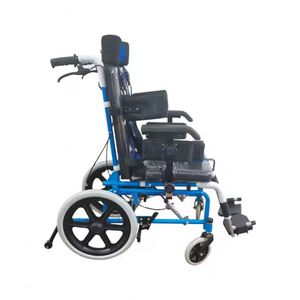
High Quality Medical Therapy Safety Children Cerebral Palsy Hospital Wheelchair
- Clinical Lateral Postural Support
- Anti-Bacterial Washable Canvas
- High-Safety Harness System
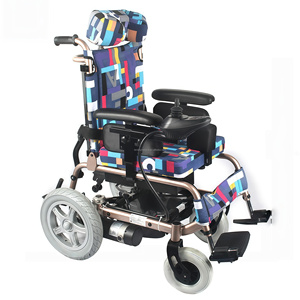
Electric Pediatric Cerebral Palsy Wheelchair Motorized CP Children Wheelchair
- 360° Intelligent Joystick Controller
- Dual Brushless Silent Motors
- OEM/ODM Wholesale Ready
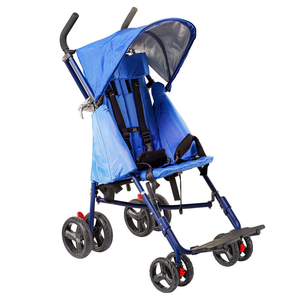
Lightweight Aluminum Waterproof Folding Pediatric Stroller & Walking Aid Chair
- Aircraft Grade Aluminum Frame
- Waterproof Quick-Fold Chassis
- Multi-Terrain Solid Rubber Tires
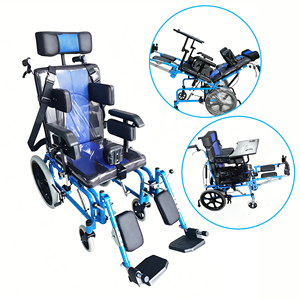
100KG Capacity PP Protective Guard Manual Folding Reclining CP Wheelchair
- 90°–160° Stepless Back Recline
- Protective PP Side Shielding
- Reinforced Steel Subframe
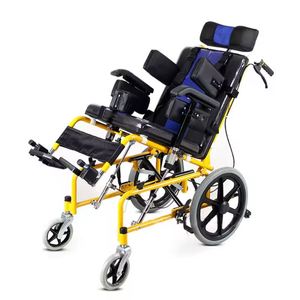
Hospital Grade Children's Cerebral Palsy Safety Medical Therapy Wheelchair
- Pediatric Rehabilitation Certified
- Adjustable Abduction Wedge
- Central Brake Safety System
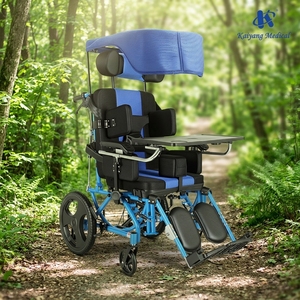
Multifunctional Reclining Children CP Wheelchair with Dining & Activity Tray
- Detachable Food-Grade Tray
- Expandable Seat Width & Depth
- Tilt-in-Space Gravity Shift
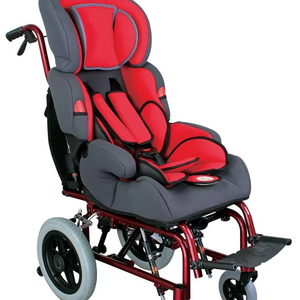
Heavy-Duty Cerebral Palsy Postural Wheelchair for Growing Children & Youth
- Multi-Position Restraint Harness
- High-Density Memory Foam Cushion
- Heavy-Duty Load Rating
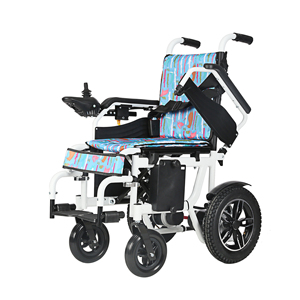
Aluminium Alloy Foldable Lithium Power Electric Wheelchair for Pediatric Mobility
- Quick-Swap Lithium Battery
- Compact Airline-Approved Fold
- Electromagnetic Auto-Braking
Global Manufacturing Capabilities & Reliability
Combining clinical ergonomics, automated precision manufacturing, and strict international compliance standards to empower healthcare distributors across 30+ countries.
Clinical Ergonomic Engineering
Every pediatric wheelchair is co-developed alongside occupational therapists and orthopedic specialists. Features incorporate anatomically sculpted lateral thoracic supports, pelvic positioning belts, and abductive wedges designed specifically for spinal stability in pediatric neuromuscular conditions.
ISO-Certified Smart Manufacturing
Operating out of state-of-the-art manufacturing hubs (including our flagship facility at HSIIDC IMT Rohtak), our automated robotic welding, electrostatic powder coating, and CNC tube-bending infrastructure guarantee structural integrity, precision alignment, and zero-defect output.
Turnkey OEM & ODM Customization
We empower hospital procurement agencies and regional distributors with full private-label customization. From frame geometry adjustments, localized branding, upholstery colorways, to custom regulatory documentation, our technical engineering team delivers bespoke mobility lines.
Technical Whitepaper: Pediatric Mobility Ergonomics & Sourcing Criteria
An in-depth analysis of biomechanical postural management, structural alloy metallurgy, and clinical evaluation standards for pediatric wheelchair procurement officers.
In pediatric rehabilitation and adaptive healthcare engineering, selecting the appropriate seating and mobility frame is not merely a matter of transportation—it is a critical therapeutic intervention. Children diagnosed with Cerebral Palsy (CP), Spina Bifida, Muscular Dystrophy, or severe traumatic neuromuscular impairments require precise postural support systems to prevent secondary skeletal deformities, maintain pulmonary function, and encourage active social engagement.
1. Biomechanical Postural Control & Tilt-in-Space Dynamics
Traditional fixed-frame wheelchairs often fail to accommodate the complex postural needs of pediatric users who experience abnormal muscle tone, tonic spasms, or extensor thrusts. Modern clinical guidelines emphasize the integration of Tilt-in-Space technology. Unlike standard backrest reclining—which can induce shear forces across the sacral region and trigger extensor spasticity—Tilt-in-Space rotates the entire seat assembly around a neutral center of gravity (typically from 0° up to 45°).
This biomechanical rotation redistributes hydrostatic pressures away from the ischial tuberosities toward the thoracic spine, significantly mitigating the risk of pressure ulcers (Decubitus Ulcers) while preserving hip joint integrity. Furthermore, dynamic tilt systems allow caregivers to easily transition a child between active engagement, feeding, and restorative rest without compromising head and neck control.
2. Growth-Adjustable Modular Frame Geometry
A primary challenge facing healthcare institutions and government procurement bodies is the rapid physical growth of pediatric patients. Sourcing static-size wheelchairs results in frequent, costly replacements or forces children to use ill-fitting equipment that exacerbates postural defects such as Kyphosis, Scoliosis, and pelvic obliquity.
Our engineered pediatric series incorporates Modular Growth Technology (MGT). Frame architectures are crafted with telescoping cross-braces, multi-position axle plates, and depth-adjustable seat pans. This allows a single pediatric wheelchair frame to expand up to 4 inches (10 cm) in width and 5 inches (13 cm) in seat depth. As a result, healthcare providers achieve an extended clinical lifecycle per unit, dramatically improving return on investment (ROI) for institutional purchasers.
3. Comparative Technical Matrix: Manual vs. Motorized Pediatric Wheelchairs
To assist procurement managers and medical equipment buyers in aligning equipment specifications with clinical user intents, the table below outlines core technical parameters across our primary pediatric product classifications:
| Technical Parameter | Manual CP Postural Series | Electric Motorized CP Series | Ultra-Light Stroller Series |
|---|---|---|---|
| Target Clinical Intent | Severe CP, Hypertonia, Scoliosis Management | Active Self-Mobility, Upper Limb Weakness | Transit, Daily Travel, Mild-to-Moderate CP |
| Frame Metallurgy | High-Tensile Carbon Steel / Aircraft Aluminum | Reinforced 6061-T6 Aluminum Alloy | Ultra-Light Magnesium-Aluminum Alloy |
| Recline & Tilt Range | 90°–160° Recline; 0°–35° Tilt-in-Space | 90°–135° Recline; Static Seat Pan | 90°–120° Mild Recline |
| Drive System / Electronics | Manual Caregiver Attendant Push | Dual 250W Brushless / 360° Joystick | Caregiver Push / Self-Propelled Option |
| Load Capacity & Weight | 100 kg Capacity / Unit Weight: 18–22 kg | 120 kg Capacity / Unit Weight: 26–32 kg | 75 kg Capacity / Unit Weight: 9–13 kg |
| Safety & Compliance | ISO 7176-19 Crash Tested, 5-Point Harness | Electromagnetic Braking, Anti-Tip Wheels | Foot Central Brake, Safety Lap Belt |
4. Material Metallurgy & Safety Standards
Structural reliability is paramount when manufacturing pediatric mobility equipment. Our manufacturing facilities utilize cold-drawn 6061-T6 Aircraft-Grade Aluminum Alloy and reinforced chrome-molybdenum steel frames. Tube structures undergo double-bead TIG welding followed by heat treatment cycles to eliminate stress fractures.
All plastic components—including lateral side guards, armrests, and meal trays—are molded from high-impact, non-toxic Polypropylene (PP) and ABS materials free from Phthalates and Bisphenol A (BPA). Furthermore, seat cushions utilize high-density polyurethane memory foam wrapped in flame-retardant (BS 5852 standard compliant), anti-microbial, and fluid-resistant technical fabrics that endure rigorous clinical sanitation protocols.
Future Procurement Trends & Technological Innovations
Discover the strategic shifts shaping global pediatric mobility procurement, smart rehabilitation technologies, and sustainable manufacturing practices over the next decade.
1. Smart Assistive Controllers & IoT Diagnostics
The future of pediatric electric wheelchairs lies in the integration of micro-sensor arrays and intelligent motor telemetry. Next-generation power wheelchairs feature adaptive joystick sensitivity algorithms customized for children with limited fine motor control. Integrated Bluetooth diagnostics enable hospital fleet managers to monitor battery health, motor thermal limits, and daily usage statistics in real time via cloud dashboards.
2. Ultra-Lightweight Carbon Fiber Architectures
Global procurement agencies are increasingly prioritizing transportability. Modern B2B sourcing mandates require high strength-to-weight ratios to reduce caregiver strain during vehicle loading. Manufacturing is transitioning from traditional steel toward carbon fiber composite seating pans and hydroformed magnesium alloy chassis, yielding lightweight units weighing under 10 kg without sacrificing structural load integrity.
3. 3D Anatomical Scanning & Custom Modularity
Additive manufacturing and 3D surface scanning are revolutionizing custom seating inserts. Instead of relying on static foam blocks, clinical distributors can upload 3D scans of a child's torso directly to our CAD/CAM manufacturing line. We precision-machine custom contour cushions that clip directly into modular frame chassis, drastically shortening delivery timelines for complex postural cases.
4. Strict Environmental & RoHS/REACH Compliance
Government healthcare tenders across North America and the European Union now enforce stringent environmental lifecycle criteria. Sourcing managers require suppliers to adhere to ISO 14001 environmental management systems, eliminate toxic heavy metals in electroplating, and utilize 100% recyclable aluminum alloys and bio-based synthetic leather upholstery.
5. Multi-Stage Transitional Growth Systems
Purchasing authorities are moving away from single-stage pediatric equipment. Sourcing preference is given to convertible modular ecosystems that transition seamless from early toddler stroller configurations (ages 2–5) to self-propelled pediatric manual chairs (ages 6–12) and eventually youth adaptive frames, reducing lifetime healthcare equipment expenditure.
6. Accelerated Global Supply Chain Logistics
Post-pandemic procurement strategies prioritize supply chain resilience. Global distributors demand localized spare-part warehousing, standardized quick-release componentry, and rapid SKD (Semi-Knocked Down) assembly kits to bypass port congestion and lower international container freight expenses.
Anrace Enterprise Manufacturing Advantages
Leveraging decades of specialized medical engineering to deliver uncompromised quality, competitive factory-direct pricing, and comprehensive distributor support.
ISO 13485 Manufacturing Plant
Our purpose-built production facility located at HSIIDC IMT Rohtak operates under strict ISO 9001 and ISO 13485 quality management systems, conducting 100% load, fatigue, and brake testing on all production lots.
End-to-End OEM / ODM Private Labeling
We provide full white-label capabilities including custom frame colors (RAL spectrum), laser-etched brand logos, customized carton packaging, multi-language user manuals, and regional regulatory compliance dossier support.
Global Logistics & Compliance Infrastructure
Exporting to over 30 countries across North America, Europe, the Middle East, and Southeast Asia. Full compliance with CE directives, FDA registration standards, and ISO 7176 crash test benchmarks.
Clinical R&D & Ergonomic Testing
Our in-house biomechanical research division collaborates directly with physical therapy institutions and clinical consultants to refine seating geometry, pressure distribution, and caregiver ergonomic handles.
Flexible MOQ & SKD Shipping Options
We accommodate both small-batch specialized hospital orders and high-volume container shipments. Semi-Knocked-Down (SKD) packing options maximize container loading efficiency by up to 40%.
Dedicated After-Sales & Spare Parts Support
Every pediatric wheelchair series is backed by a comprehensive warranty and guaranteed availability of modular spare parts (wheels, bearings, electronics, harness belts) for a minimum of 7 years post-discontinued production.
Pediatric Wheelchair Sourcing & B2B Procurement FAQ
Addressing essential technical, regulatory, and commercial inquiries for medical equipment importers, government sourcing agents, and hospital buyers.
What safety certifications do your pediatric cerebral palsy wheelchairs hold?
Our pediatric wheelchairs comply with international medical device quality benchmarks, holding ISO 13485, CE Marking (EU MDR 2017/745), and FDA registration credentials. Structural frames undergo rigorous fatigue, impact, and static stability testing according to ISO 7176 standards, including ISO 7176-19 crash test compliance for secure vehicle transport.
Can seat dimensions be customized for regional pediatric anthropometric data?
Yes. Through our turnkey OEM/ODM services, we adjust seat width, seat depth, backrest height, and footrest extension ranges to match regional market demographics. Furthermore, our Modular Growth Systems allow on-site adjustment without replacing the underlying structural subframe.
What is the standard Minimum Order Quantity (MOQ) for OEM/ODM private labeling?
For standard production items, our minimum order quantity starts at 20–50 units per model depending on frame complexity. For full OEM custom branding (custom frame powder coating, customized logos, and bespoke carton packaging), MOQ is typically 100 units per order batch. Sample orders for clinical evaluation are available upon request.
How do electric pediatric wheelchairs maintain safety for young children?
Electric pediatric wheelchairs incorporate multi-tier electronic safety safeguards. These include programmable speed acceleration curves (capping maximum speed at 3–6 km/h), electronic intelligent electromagnetic automatic braking (which engages instantly when the joystick is released), anti-tilt rear stability wheels, and caregiver remote override control units.
Are replacement parts readily available for international distributors?
We maintain a comprehensive spare parts inventory including standardized quick-release wheels, solid polyurethane tires, joystick controllers, lithium battery packs, and modular postural harness kits. We provide spare-part consignment bundles with container shipments to ensure distributors offer immediate local maintenance response.
What lead times can buyers expect for export container orders?
Standard production lead time for full container loads (20ft / 40ft HQ) ranges from 25 to 35 calendar days following deposit confirmation and artwork approval. Expedited production slots are available for urgent hospital tenders and humanitarian supply programs.
How do your wheelchairs accommodate clinical feeding and dining requirements?
Our multifunctional CP wheelchairs (such as Model 6) feature detachable, height-adjustable, food-grade ABS meal trays. Combined with stepless backrest recline (up to 160°) and tilt-in-space mechanisms, caregivers can position the child in an anatomically upright, aspirated-safe seating angle optimal for swallowing and therapy sessions.
What upholstery materials are used to manage incontinence and skin integrity?
All pediatric seat cushions utilize breathable, fluid-resistant, anti-bacterial PU or high-grade canvas fabrics. Covers are equipped with concealed waterproof zippers, allowing effortless removal, washing, and hospital-grade autoclave or chemical disinfection while maintaining skin microclimate stability.