
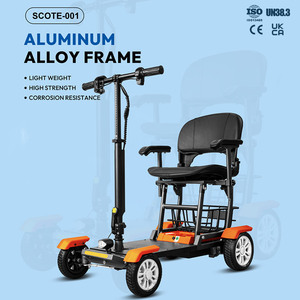
Verified Manufacturing Models
High-Demand Manual & Hybrid Mobility Solutions
Direct factory production models certified for hospital, rehabilitation, and retail distribution across Europe, North America, and Asia-Pacific.
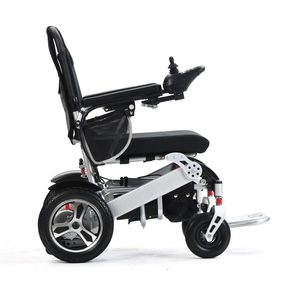
Wholesale Lithium Battery Motorized Wheelchair Foldable Electric Wheelchair Reclining for Disabled
Get a Quote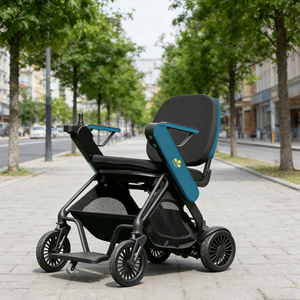
Fully Automatic Intelligent Folding Electric Scooter Wheelchair ZW505 Model 100kg Load Capacity
Get a Quote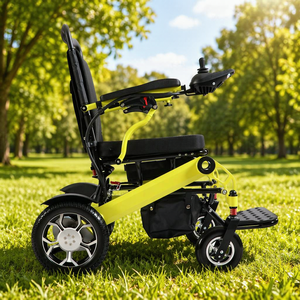
Portable Folding Power Wheelchair - Lightweight Electric Mobility Scooter Strong Motor
Get a Quote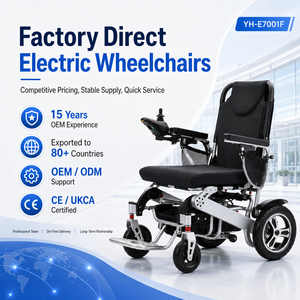
New Arrival Customized Color Motorized Wheelchairs Aluminum Alloy Smart Reclining Electric Wheelchair
Get a Quote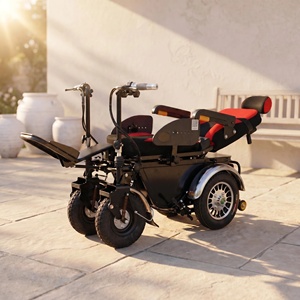
Motor Driven Standing Wheelchair With Electric Lifting Legrest Ergonomic Support
Get a Quote
ZW505 APP Auto-Folding All-Terrain Electric Wheelchair For Adults Elderly 100kg Load Capacity
Get a Quote
ENLIDA EH0190 Folding Electric Wheelchair 250W*2 Motor 120kg Load 16" Rear Tires Physical Therapy
Get a Quote15+ Years
Manufacturing Excellence
30+
Countries Export Footprint
50+
Proprietary Product Models
ISO 13485
Quality Assurance Certified
Executive Summary: Navigating Manual Wheelchair Manufacturing & Global Sourcing
The global market for manual wheelchairs and personal mobility equipment is undergoing a structural transformation. Procurement officers, B2B healthcare distributors, clinical purchasing groups, and retail importers are facing unprecedented pressure to balance ergonomic performance, structural integrity, bio-mechanical safety, and supply chain cost efficiency. Finding top trusted manual wheelchair factories and suppliers requires moving beyond basic catalog specs into deep auditing of raw material traceability, automated welding precision, ISO compliance, and custom OEM manufacturing capabilities.
Historically, standard manual wheelchairs relied heavily on heavy carbon steel frame architectures that limited user independence and increased freight logistics expenditure. Today, leading manufacturers leverage aerospace-grade aluminum alloys, carbon fiber composite framing, quick-release axle geometry, and precision ergonomic upholstery designed in collaboration with occupational therapists and clinical biomechanics specialists.
This whitepaper serves as an authoritative procurement guide for B2B buyers seeking long-term manufacturing partnerships. It incorporates rigorous technical evaluation criteria, material comparison benchmarks, supply chain risk mitigation protocols, and a comprehensive analysis of emerging industry trends shaping the 2026–2030 mobility landscape.
B2B Material & Structural Benchmark Matrix
When sourcing manual wheelchairs at enterprise volume, selecting the appropriate chassis metallurgy and structural design dictates product lifespan, clinical adaptability, and end-user satisfaction. The data matrix below contrasts primary manufacturing frame materials across standard procurement metrics.
| Evaluation Parameter | High-Tensile Carbon Steel | Aerospace Aluminum Alloy (6061-T6) | Ultra-Light Carbon Fiber Composite |
|---|---|---|---|
| Target Application | Institutional / Hospital Standard Transfer | Active Daily Living / B2B Retail Premium | Ultra-Light Active / Custom Sports Rehab |
| Average Frame Weight | 16.5 kg – 22.0 kg | 9.5 kg – 13.5 kg | 6.2 kg – 8.8 kg |
| Standard Load Capacity | 100 kg – 150 kg (Bariatric available) | 120 kg – 135 kg | 100 kg – 120 kg |
| Corrosion Resistance | Medium (Requires powder coating) | Exceptional (Anodized surface) | Impervious to chemical oxidation |
| Container Shipping Density | Standard foldability (High tare weight) | High folding compactness | Ultra-compact modular breakdown |
| OEM Tooling Cost | Cost-Effective | Balanced ROI | High Initial Tooling |
Enterprise Infrastructure: The Anrace Manufacturing & OEM Standards
As a recognized pioneer in assistive mobility equipment manufacturing, Anrace Assistive Mobility Private Limited operates at the intersection of clinical engineering, modern factory automation, and robust international export logistics. Operating out of an advanced ISO-certified industrial facility in HSIIDC IMT Rohtak, Haryana, supported by a flagship showroom in New Delhi, Anrace has established a global footprint spanning over 30 countries.
ISO 13485 & ISO 9001 Facility
Every manual wheelchair, power wheelchair, and bedside commode is subjected to automated fatigue testing, impact testing, and double-pass TIG weld inspections to ensure compliance with ISO 7176 global safety standards.
Full OEM & ODM Customization
From frame geometry adjustment and bespoke powder coating to private-label branding, customized seat width dimensions (38cm to 56cm), and specialized anti-tippers, Anrace provides end-to-end tooling and production flexibility.
Clinical Advisory Partnership
Developed in tight coordination with senior physiotherapists and posture specialists, guaranteeing that seat tilt angles, backrest lumbar contours, and center-of-gravity adjustments minimize user fatigue and pressure ulcers.
Integrated Manufacturing Range
Beyond standard manual wheelchairs, Anrace's unified production lines encompass electric power wheelchairs, medical walking aids, rollators, carbon steel commode stools, adjustable reclining back supports, and ergonomic orthopedic cushions. This single-source manufacturing capacity allows global distributors to optimize container loading and lower landed import costs.
Future Procurement Trends in Wheelchair Sourcing & Manufacturing
As healthcare buyers align their supply chains with shifting demographic needs and regulatory mandates, strategic procurement decisions in 2026 and beyond will be driven by four key industry shifts:
1. Hybrid Manual-Power Convertibility
Suppliers are increasingly demanding manual wheelchairs equipped with quick-attach rear power assist hubs or modular add-on electric drives. This allows users to switch between manual self-propulsion and motorized assistance without investing in separate heavy power chairs.
2. Strict Biocompatibility & Hygiene Standards
Post-pandemic medical procurement guidelines mandate antibacterial frame coatings, flame-retardant mesh upholstery, and quick-disinfect spill-resistant polyurethane seats for hospital ward environments.
3. Modular Platform Architecture
Leading factories are moving toward standardized frame platforms with interchangeable footrests, armrests, side panels, and caster wheel forks. This modularity reduces SKUs for distributors while enabling rapid customization.
4. Sustainable Materials & Supply Chain Resilience
ESG compliance is dictating sourcing strategies. Importers favor factories utilizing recyclable aluminum alloys, low-VOC powder paint processes, and eco-friendly packaging designed for maximum shipping container cubing.
Industry Developments & Manufacturing Innovations
Modern wheelchair manufacturing has evolved from basic assembly shop operations into sophisticated, high-tech engineering production lines. Key technical advancements include:
Automated Robotic TIG & Laser Welding: Robotic arm welding eliminates human variance in joint integrity. Continuous, computer-controlled seam welds enhance structural stress distribution, preventing micro-fractures under heavy load conditions over long-term usage cycles.
Finite Element Analysis (FEA) Stress Modeling: Prior to tooling casting, advanced suppliers simulate physical stress distribution across wheelchair frames under dynamic drops, curb impacts, and side-slope loads. FEA optimization allows engineers to remove excess material without compromising load-bearing limits.
Ergonomic Pressure-Relief Seating Systems: Integrating dual-density memory foam, contoured ischial cutouts, and breathable 3D honeycomb air-mesh fabrics directly into standard manual wheelchair upholstery reduces the incidence of pressure sores (decubitus ulcers) in long-term wheelchair users.
Frequently Asked Questions (FAQ) for B2B Wheelchair Procurement
Critical questions evaluated by global medical equipment buyers, procurement directors, and hospital supply managers when selecting wheelchair factories.
What are the minimum quality compliance standards required for importing manual wheelchairs into Europe and North America?
Imports into North America require FDA 510(k) registration or class I medical device listing, compliance with ANSI/RESNA WC-1 standards, and ISO 7176 certification. For the European Union, compliance with Medical Device Regulation (MDR 2017/745), CE marking, and EN 12183 standards is mandatory. Top trusted factories provide full documentation packets including double-drum fatigue test reports and drop-impact test certificates.
How does frame material choice impact shipping costs and container loading capacity?
Aluminum alloy and lightweight composite wheelchairs weigh 30% to 50% less than carbon steel models. Lightweight folding models feature quick-release rear wheels and drop-back handles, allowing tighter carton dimensions. This increased packing density allows up to 25% more units to be loaded into a 40ft High Cube container, significantly reducing landed shipping costs per unit.
Can Anrace accommodate custom branding and OEM design modifications for regional distributors?
Yes. Anrace offers comprehensive OEM/ODM services, including customized frame colors, silk-screened or embroidered brand logos on upholstery, customized carton packaging, proprietary frame geometry adjustments, and region-specific caster wheel and tire configurations. Minimum order quantities (MOQs) for custom branding are structured to support emerging regional distributors.
What is the standard warranty and spare parts availability policy for bulk procurement?
Leading manufacturing partners provide a 1-year to 3-year structural warranty on main frame welds and a 1-year warranty on wear-and-tear components. Furthermore, top suppliers send a 2% to 5% spare parts kit (including caster wheels, bearings, brake assemblies, and footplates) with every bulk container shipment to ensure seamless local aftermarket service.
What is the typical production lead time for a 40ft container order of manual wheelchairs?
Standard production lead times range between 25 to 35 business days following sample approval and deposit confirmation. For custom OEM tooling or specialized upholstery colors, initial order lead times may extend by 10 to 15 days to complete pre-production quality audits.
Supplier Evaluation Checklist: How to Audit a Wheelchair Factory
Before issuing a Purchase Order (PO) or entering into an exclusive distribution agreement, procurement teams should evaluate potential wheelchair suppliers using this 5-point audit framework:
1. Metallurgy & Raw Material Traceability
Verify mill test certificates for aluminum tubing grade (e.g., authentic 6061-T6 vs. lower grade recycled aluminum) and steel wall thickness (minimum 1.2mm for structural load tubes).
2. Testing & Quality Control Equipment
Confirm the factory operates in-house testing rigs, including two-drum dynamic endurance testers, static stability incline tables, and drop-test impact machines.
3. Post-Sales & Aftermarket Spare Parts Support
Ensure the supplier maintains standardized component schematics and stocks replacement parts for all active and legacy product models.
Partner with a Trusted Global Wheelchair Manufacturer
Direct factory pricing, ISO-certified manufacturing quality, and full OEM customization for healthcare distributors, retail chains, and medical institutions worldwide.