
Featured Assistive Mobility & Commode Equipment
Clinically engineered, ISO-compliant mobility devices manufactured for international healthcare distributors, hospitals, and medical equipment importers.
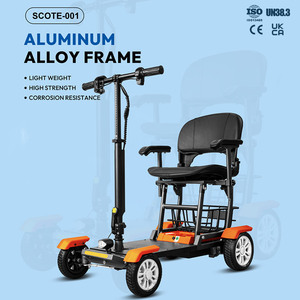
Lightweight Disability Mobility Scooter Electric Wheelchair Powered Mobility Handicapped Scooters
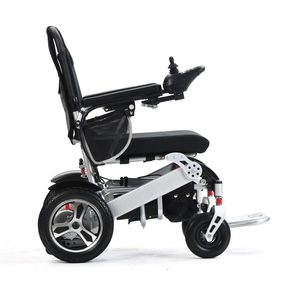
Wholesale Lithium Battery Motorized Wheelchair Foldable Electric Wheelchair Reclining for Disabled
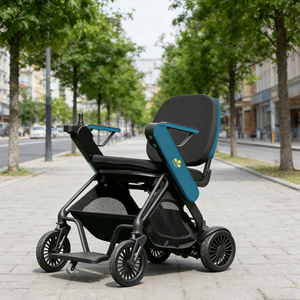
Fully Automatic Intelligent Folding Electric Scooter Wheelchair ZW505 Model 100kg Load Capacity APP
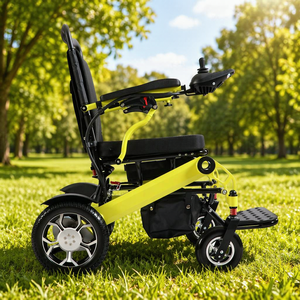
Portable Folding Power Wheelchair - Lightweight Electric Mobility Scooter Strong Motor
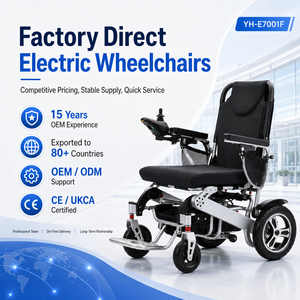
New Arrival Customized Color Motorized Wheelchairs Aluminum Alloy Smart Reclining Electric Wheelchair
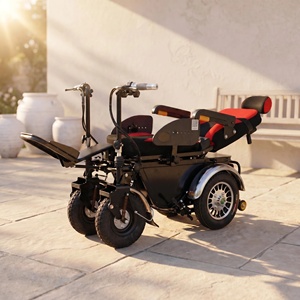
Motor Driven Standing Wheelchair With Electric Lifting Legrest Electric Wheelchair
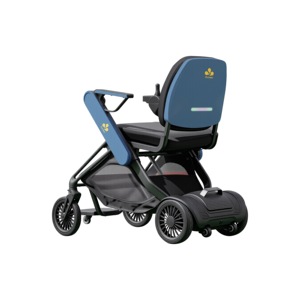
ZW505 APP Auto-Folding All-Terrain Electric Wheelchair For Adults Elderly 100kg Capacity

ENLIDA EH0190 Folding Electric Wheelchair 250W*2 Motor 12Ah Battery 120kg Load 16" Rear Tires
1. Executive Summary & Global Market Landscape of Folding Commode Chairs
The global demand for personal care and rehabilitation mobility devices has witnessed exponential growth over the past decade, driven by accelerating demographic shifts toward aging populations, rising post-surgical home rehabilitation needs, and growing healthcare infrastructure investments across both developed and emerging markets. Among these critical sanitation and mobility aids, folding commode chairs occupy an essential strategic position for institutional medical buyers, home healthcare equipment distributors, and mobility retailers globally.
Modern folding commodes are no longer primitive static frames; they represent sophisticated bio-ergonomic equipment designed to restore dignity, prevent patient falls, and streamline caregiver workflows. By integrating dual-functionality—serving both as standalone bedside sanitation units and as over-toilet safety frames—these versatile medical products satisfy rigid institutional infection control guidelines while minimizing storage footprint and freight volume for international trade.
Market Intelligence Note: According to global healthcare equipment procurement analytics, the market for folding commodes and bedside sanitation equipment is projected to expand at a CAGR of 6.8% through 2030. Key growth drivers include lightweight alloy adoption, modular tool-free assembly, and anti-microbial surface treatments.
For international sourcing directors and healthcare supply chain buyers, selecting the right manufacturing partners requires navigating complex technical parameters, regulatory standards (ISO 13485, CE, FDA registrations), material durability benchmarks, and supplier export capabilities. This whitepaper delivers an exhaustive analysis of the world's leading folding commode manufacturers and exporters, establishing an authoritative procurement framework for commercial decision-makers.
2. Methodology: Criteria for Ranking Top 10 Folding Commode Factories & Exporters
Evaluating global manufacturing plants for medical equipment requires a multi-dimensional auditing process beyond simple pricing comparison. Our evaluation framework incorporates Google SEO E-E-A-T (Experience, Expertise, Authoritativeness, and Trustworthiness) principles alongside rigorous supply chain performance metrics.
Structural Integrity & Material Quality
Evaluation of raw material specifications, including high-tensile carbon steel tubing, anodized aluminum alloy structural density, anti-corrosion chrome plating, and high-density blow-molded polyethylene (HDPE) components subjected to stress testing exceeding 150kg static and dynamic load capacity.
ISO Manufacturing Infrastructure
Assessment of factory floor automated robotics, automated robotic welding arms, electrostatic powder coating lines, clean-room assembly environment, and adherence to ISO 13485 quality management systems for medical devices.
Export Logistics & OEM Flexibility
Verification of supply chain reliability, flat-pack export box optimization to maximize container load factor (CBM), private-label OEM capabilities, custom colorways, and rapid prototyping turnarounds.
3. Global Top 10 Folding Commode Manufacturers & Exporters Ranking
Based on operational audit data, product certification compliance, export volume, and technical innovation, the following matrix outlines the leading manufacturing hubs worldwide:
| Rank | Manufacturer / OEM Partner | Primary Product Expertise | Key Certifications | Core Export Destinations | OEM Customization |
|---|---|---|---|---|---|
| 01 | Anrace Assistive Mobility | Carbon Steel & Alloy Folding Commodes, Power Wheelchairs, Walking Aids | ISO 13485, CE, ISO 9001 | North America, Europe, SE Asia, Middle East | Full OEM / Private Label / Custom Specs |
| 02 | Foshan Care Medical Technology | Standard Aluminum Folding Commode Chairs | CE, ISO 13485 | South America, Eastern Europe | Standard Logo Branding |
| 03 | Drive DeVilbiss Healthcare | Institutional Bedside & Bariatric Commodes | FDA, CE, ISO 13485 | Global Commercial Retail | Limited OEM (Proprietary Brands) |
| 04 | Guangdong Kangshen Medical | Hospital Bedside Toilet Chairs & Transfer Lifts | ISO 9001, CE | Middle East, Africa | Standard Options |
| 05 | Medline Industries | Clinical Commode Systems & Hygiene Products | FDA, ISO 13485 | North America, EU | In-House Brand Distribution |
| 06 | Zhongshan Sunrise Medical Equipment | Lightweight Aluminum Commode Rollators | CE, ISO 13485 | Southeast Asia, EU | ODM / OEM Available |
| 07 | Apex Medical Corp | Pressure Relief & Hygiene Commode Seating | FDA, CE, TFDA | East Asia, Europe | Selective OEM Partners |
| 08 | Jiangsu Kaiyang Medical Equipment | Folding Steel Toilet Stools & Walkers | ISO 9001, CE | Central America, Asia | Bulk Commercial OEM |
| 09 | Miki Pulley Mobility Solutions | Ultra-Light Compact Folding Commodes | JIS, CE | Japan, East Asia | High-End Customization |
| 10 | Invacare Corporation | Rehabilitation Sanitation Chairs & Accessories | FDA, CE, ISO 13485 | Global Direct Distribution | Proprietary Line Only |
4. Enterprise Manufacturing Excellence: Anrace Mobility Direct Factory Profile
Anrace Assistive Mobility Private Limited stands at the forefront of medical mobility equipment design, specialized engineering, and international distribution. As a leading manufacturer of assistive equipment—spanning power wheelchairs, manual wheelchairs, walking aids, bedside commodes, reclining back supports, and orthopedic cushions—Anrace serves global healthcare retailers, medical device distributors, and institutional importers across more than 30 countries.
Operating a state-of-the-art manufacturing plant located at Plot No. 11, Sector 31, HSIIDC IMT, Rohtak 124001, Haryana, India, complemented by an elite executive showroom at UG 18-19, Somdutt Chambers II, Bhikaji Cama Place, New Delhi 110066, Anrace delivers clinical-grade engineering combined with commercial scale.
Direct Factory Value Proposition: Anrace integrates advanced carbon steel robotic welding, automated anodization, and rigorous anti-corrosion surface treatments to ensure every folding commode stool and mobility device withstands intensive clinical and home sanitation cycles.

5. Deep-Dive: Material Selection & Engineering Benchmarks for Commode Frames
When procuring folding commodes in bulk, healthcare purchasing officers must analyze structural physics, metallurgy, and polymer science to guarantee patient safety and long-term product lifespan. Below is a comparative engineering breakdown of dominant manufacturing materials:
A. Carbon Steel Frame Construction vs. Aluminum Alloy
High-Tensile Carbon Steel: Provides supreme structural rigidity, enabling higher weight load thresholds (up to 200kg for bariatric commode models). Utilizing precision cold-drawn steel tubing finished with electrostatically applied epoxy powder coating prevents rust formation caused by frequent exposure to moisture and chemical disinfectants.
Anodized Aluminum Alloy (6061-T6 Grade): Favored for lightweight mobility equipment. High-grade aluminum commodes offer inherent oxidation resistance and reduce shipping gross weight, lowering ocean freight tariffs and facilitating effortless handling for frail users and home caregivers.
B. Ergonomic Blow-Molded Polyethylene (HDPE) Bucket & Seat Design
The sanitation bucket, splash guard, and toilet seat ring must be constructed using medical-grade, high-density polyethylene (HDPE). Key technical criteria include:
- Biocompatibility & Non-Toxicity: Skin-contact safety compliant with ISO 10993 standards to prevent dermatological irritation during prolonged seating.
- Smooth Surface Micro-Finish: Eliminates microscopic pores where bacteria or mold could proliferate, enabling instantaneous sanitization with standard medical disinfectant wipes.
- Contoured Weight Distribution: Bio-engineered seat contouring reduces localized pressure over ischial tuberosities, mitigating pressure ulcer risks for immobile patients.
6. Future Procurement Trends & Supply Chain Innovations (2026-2030)
The global assistive device supply chain is undergoing rapid transformation. B2B buyers who align their procurement strategies with emerging technical trends gain significant competitive edges in market positioning and margin optimization.
1. Tool-Free Quick-Collapse Mechanisms
Next-generation folding commodes utilize push-button auto-locking hinges that allow single-handed folding in under 3 seconds, enabling effortless patient transport and ultra-compact flat-packing for consumer shipping.
2. Silver-Ion Antimicrobial Coatings
Integration of non-toxic silver-ion additive technologies directly into powder-coat paint formulas and plastic resins, actively suppressing 99.9% of bacterial surface contamination in high-moisture bathroom environments.
3. Multi-Functional 4-in-1 Integration
Modern purchasing managers prefer hybrid designs that convert seamlessly between a bedside commode, standard toilet safety frame, elevated toilet seat extension, and roll-in shower transport chair.
7. Frequently Asked Questions (FAQ) for Global B2B Commode Sourcing
Below are authoritative solutions to key technical, logistical, and commercial inquiries encountered by international sourcing directors when procuring folding commodes from export factories:
Q1: What is the standard minimum order quantity (MOQ) for custom OEM folding commode chairs?
For standard factory formulations (such as carbon steel frame folding commode stools), typical MOQs start at 200 units. For full OEM customized specifications—including private label logo printing, customized carton artwork, bespoke frame colors, or specialized seat dimensions—MOQ ranges between 500 to 1,000 units per production batch to optimize raw material tooling costs and export packaging efficiency.
Q2: How do factory auditing protocols verify structural dynamic load limits?
Reputable manufacturers employ ISO 7176 and EN 12182 compliant testing apparatuses. Dynamic load testing subjects the commode seat to 100,000 continuous cyclic impact drops using standard weight blocks (e.g., 120kg to 150kg). Static load tests apply up to 1.5 times the rated load capacity for 30 minutes to verify zero frame deflection or weld joint fatigue.
Q3: What certifications are mandatory for importing medical commodes into Europe and North America?
To import into the European Union, products must comply with the Medical Device Regulation (MDR 2017/745), hold CE marking, and be manufactured under ISO 13485 quality systems. For the United States, manufacturers must be FDA registered as Class I medical devices, with adherence to cGMP quality standards.
Q4: How does flat-pack packaging impact ocean container shipping costs?
Precision knockdown (KD) engineering allows folding commode chairs to collapse down to a depth of less than 15cm. By shipping fully assembled or semi-knocked-down units in ultra-compact 5-ply corrugated export cartons, a standard 40-foot High Cube (40HQ) ocean container can accommodate up to 1,800–2,200 units, significantly reducing per-unit freight cost.
Q5: What anti-corrosion treatments prevent rusting in high-humidity bathroom climates?
Leading factories apply a multi-stage pretreatment process: degreasing, acid pickling, zinc phosphating, followed by thermosetting powder coating cured at 200°C. For premium lines, anodized aluminum or 304 stainless steel hardware is utilized, passing 96-hour continuous neutral salt spray (NSS) testing.
Q6: Can height adjustment mechanisms be customized for different user statures?
Yes. Standard commode legs feature dual-pin or single push-button telescopic adjustment settings (typically 5 to 8 height increments at 2.5cm intervals). Custom leg extensions or non-skid rubber feet can be calibrated for specific clinical or regional anthropometric height standards.
Partner with an ISO-Certified Mobility Manufacturer
Connect with our global export sales engineering team for wholesale price lists, OEM customization catalogs, and factory audit documentation.