
Featured CE Certified Medical Mobility Portfolio
Engineered for hospital-grade rehabilitation, institutional healthcare procurement, and specialized mobility assistance. Fully compliant with European Medical Device Regulation (MDR) standards.
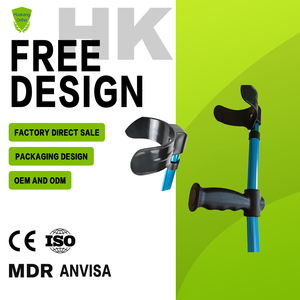
Rehabilitation Medical Crutches Foldable Fracture Support Crutch, Lightweight Adjustable Underarm Aids
Get a Quote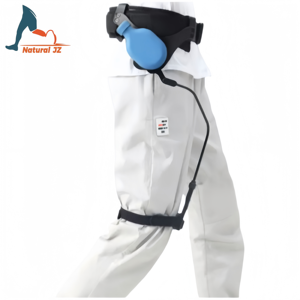
Natural JZ Hot Sales Exoskeleton Lower Limb Walking Aid Foldable Lightweight Single Leg Lifter
Get a Quote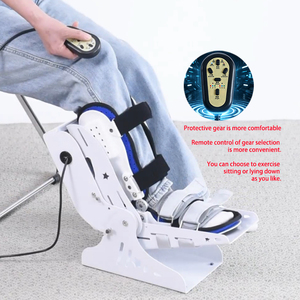
Automatic Foot Ankle Exerciser Electric Trainer Homecare Rehab Equipment Elderly Disabled Therapy Device
Get a Quote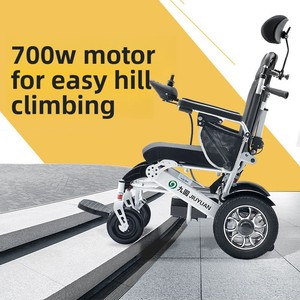
JIUYUAN E90 Electric Reclining Wheelchair Joystick Folding 250W Dual Motor 24V Battery CE Certified
Get a Quote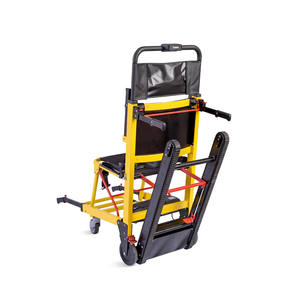
SKB1C10 SAIKANG Hospital Rehabilitation Wheelchair Medical Paralysis Electric Climbing Stair
Get a Quote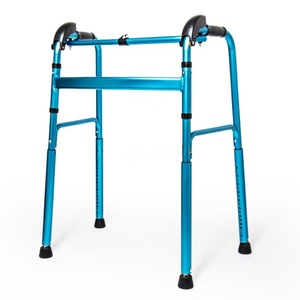
Walker for Rehabilitation Lightweight and Portable Aid Disabled and Elderly Walking Aids
Get a Quote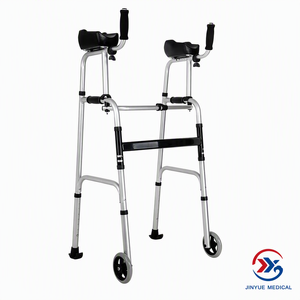
Elderly Disabled Axillaris Cerebral Palsy Walking Aid Stand Patient Hemiplegia Walker
Get a Quote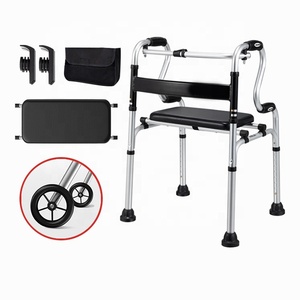
Wholesale Aluminum Folding Walker With 2 Wheels Elderly Stand up Assist Walker Rehabilitation
Get a QuoteIndustrial Scale Manufacturing & OEM Capability
Combining biomechanical research with ISO-certified production lines to supply global healthcare distributors, hospital chains, and medical device brands.
ISO 13485 & CE MDR Audited
Our industrial production facilities operate under strict ISO 13485 Quality Management Systems. Every batch of mobility equipment and walking aids undergoes rigorous static load, dynamic durability, and drop testing to exceed European Union CE directives (MDR 2017/745).
Bespoke OEM/ODM Engineering
We provide full-spectrum custom engineering. From frame geometry adjustments, seat width customization, and high-tensile carbon steel/aluminum selection, to custom motor power ratings (250W–500W dual brushless motors) and private label branding for global tenders.
Global Export Logistics Network
With structured manufacturing bases in India and streamlined shipping channels, we manage full container load (FCL) and less-than-container load (LCL) shipments to over 30 countries across North America, Europe, the Middle East, and Southeast Asia with turnkey export documentation.
Rehabilitation Industry Trends & Tech Roadmap (2025–2030)
Strategic market transformation analysis for B2B buyers, medical device importers, and institutional health procurement directors.
1. Transition to Bionic & Exoskeleton Assistance
Traditional manual walking aids are increasingly complemented by active lower-limb exoskeletons and single-leg powered lifters. Modern post-stroke and fracture rehabilitation favors devices that offer dynamic weight reduction, enabling progressive gait retraining, metabolic energy saving, and rapid neuromuscular re-education.
2. Smart Electric Power Mobility & Stair-Climbing Robotics
The global motorized wheelchair segment is shifting towards lightweight, high-density lithium-ion powered models integrated with intelligent joystick controllers, automatic electromagnetic braking systems, and track-driven stair-climbing capabilities (e.g., SKB1C10 architecture) to solve urban accessibility challenges.
3. Advanced Lightweight Alloys & Carbon Fiber Composites
Institutional buyers are phasing out heavy structural steel in favor of hydroformed 6061-T6 aviation aluminum alloy and carbon fiber matrix frames. This evolution reduces overall payload weight without compromising structural yield strength, meeting international safety protocols such as ISO 7176.
4. Homecare-Centric Passive & Active Trainer Integration
The decentralization of healthcare from specialized clinics to home environments has spiked demand for portable motorized exercise devices, such as automatic foot and ankle trainers. These units feature smart resistance programming, anti-spasm sensors, and compact footprints tailored for geriatric care.
| Technology Vector | Legacy Rehabilitation Standard | Next-Gen CE Certified Standard | Procurement Advantage |
|---|---|---|---|
| Structural Materials | Standard Carbon Steel Tube (Heavy tare weight) | Hydroformed Aluminum Alloy & Carbon Composites | 40% Weight reduction; lower freight costs & easier maneuverability. |
| Drive Systems | Brushed DC Motors + Lead-Acid Batteries | Brushless Dual Motors (250W+) + LiFePO4 Lithium | Extended battery cycle life (>2000 cycles) & maintenance-free motors. |
| Gait Rehabilitation | Static Underarm / Axillary Crutches | Lightweight Bionic Single-Leg Exoskeletons & Lifters | Accelerates patient recovery rates; premium retail price points. |
| Accessibility Features | Manual Transfer / Ramp Dependent | Rubber Tracked Electric Stair Climbing Mechanism | Eliminates architectural barriers for homecare & emergency transfer. |
Institutional Sourcing Guide for Rehabilitation Equipment
Key technical evaluation parameters for healthcare supply chain managers when auditing medical device factories.
Regulatory Compliance Audit
Ensure your factory partner holds verified CE certificates mapped to Medical Device Regulation (EU MDR 2017/745) Class I or Class IIa classifications. Factory production lines must maintain ISO 13485 certification, and products must pass EN 12182 testing for technical aids for disabled persons.
Biomechanical Safety Factors
Audit structural load ratings. Standard adult mobility aids must support minimum static weight capacities of 100 kg to 150 kg (with bariatric models rated up to 225 kg). Verify double-welded joints, anti-tipping wheel geometry, and non-slip TPR/rubber foot pad compositions.
Total Cost of Ownership (TCO)
Beyond initial unit unit price (FOB/CIF), assess spare part interchangeability (standardized wheels, bearings, joysticks, footrests), warranty coverage (minimum 12-month structural and motor warranty), and packaging optimization to maximize container stuffing ratios.
B2B Procurement FAQ (Frequently Asked Questions)
Direct technical answers for commercial buyers, importers, and hospital procurement departments.
Bio-Mechanical Safety & Manufacturing Integrity
Ensuring patient safety, ergonomic alignment, and long-term mechanical reliability.
Structural Stress Testing & FEA Simulation
Before launching any physical production run, our engineering department performs Computer-Aided Finite Element Analysis (FEA) to detect stress concentration zones under asymmetric loading conditions. This ensures that crutches, rollators, and exoskeleton joints withstand repetitive dynamic fatigue beyond standard operational lifecycles.
Electronic Safety & Electromagnetic Compatibility (EMC)
Motorized rehabilitation equipment—such as the JIUYUAN E90 Electric Reclining Wheelchair and Automatic Ankle Trainers—utilize smart micro-controllers equipped with over-current protection, thermal runaway shutoffs, and electromagnetic compatibility shielding to prevent interference with sensitive hospital monitoring systems.
Partner with a Certified Rehabilitation Equipment Manufacturer
Gain access to competitive factory-direct pricing, flexible OEM customization, and dependable global export support. Request a comprehensive product catalog and custom quotation today.