Mobility Equipment Blog & Resources
Expert articles, clinical guides, and healthcare technology innovations from Anrace.
Wheelchairs & Rehab Guides
In-depth insights into power mobility, manual wheelchairs, and patient lift chairs.
Empowering Independent Living
Discover global trends and manufacturing advancements in assistive products.
Top 10 Orthopedic Wheelchair Seat Cushions for Comfort
Table of Contents
- Wheelchair Seating Needs: WHO Estimates 75 Million Users Worldwide
- Clinical Evaluation Criteria: ISO 16840-2 and RESNA Seating Standards
- Cushion Technologies Compared: Foam, Gel, Air, Honeycomb, and Hybrid
- Top 10 Orthopedic Wheelchair Cushions Ranked by Pressure Relief and Support
- Fit, Maintenance, and Replacement Based on Clinical Seating Guidelines
- FAQS
- Conclusion
- Related Posts
Choosing a wheelchair cushion is not a small comfort decision. It affects posture, skin safety, balance, and daily independence. A suitable Orthopedic Wheelchair Seat Cushion should support the pelvis without creating hard pressure points. It should also match the user’s body shape, chair width, activity level, and transfer routine.
Rory Cooper, PhD, a respected wheelchair researcher and rehabilitation engineer, has said, “The wheelchair is an extension of the body.” That idea guides this comparison. A cushion is not merely a soft layer beneath the user. It can influence pelvic alignment during breakfast, stability while reaching, and comfort during a long appointment. Small details matter. Firm foam may improve stability, while gel or air designs can offer different pressure-management benefits. No single material suits everyone.
Real experience also exposes weaknesses. A cushion may feel comfortable for ten minutes, then cause heat or sliding after two hours. A cover may look durable but become difficult to clean. Some models appear supportive but raise the seating height and complicate transfers. These issues deserve honest attention.
This guide reviews ten orthopedic wheelchair cushions through practical and clinical considerations. We examine pressure redistribution, posture support, breathability, maintenance, durability, and value. Product performance can vary with body weight, seating assessment, and daily use. Professional fitting remains important, especially for users with reduced sensation or existing skin concerns. Comfort matters. Safety matters more.
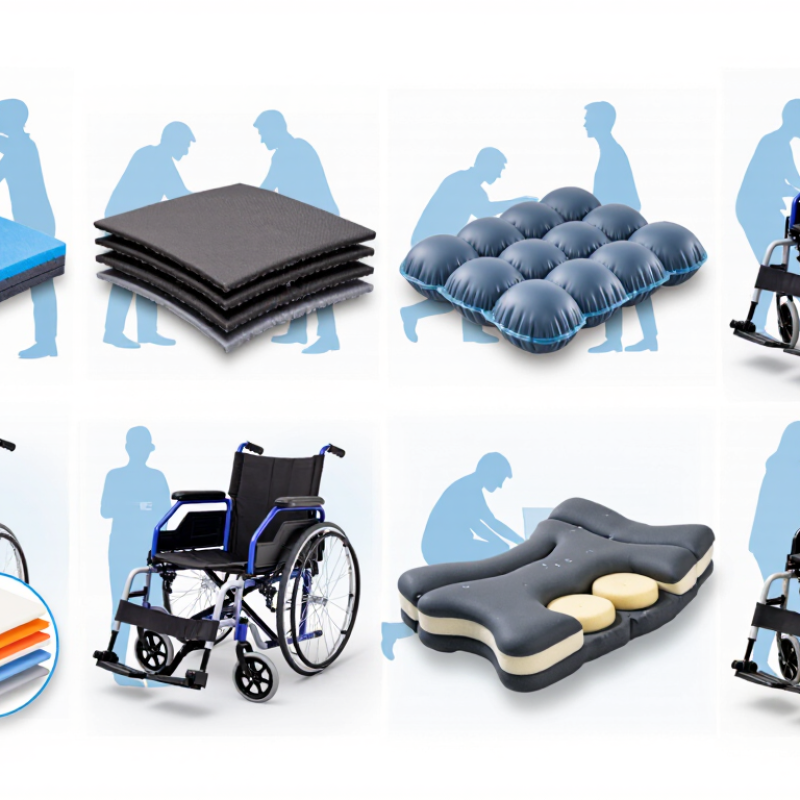
Wheelchair Seating Needs: WHO Estimates 75 Million Users Worldwide
A widely cited WHO estimate places the global wheelchair user population at about 75 million. That number represents very different bodies, homes, climates, and daily routines. A cushion that works for a short commute may fail during ten hours of sitting. Comfort is only one part of safe seating.
Orthopedic wheelchair cushions should support the pelvis, distribute pressure, and reduce sliding. Rehabilitation clinicians often assess posture, skin condition, pain, transfers, and cushion height before recommending a model. Pressure mapping can reveal concentrated loads beneath the sitting bones.
A firm, contoured surface may improve stability, while a softer material can feel comfortable but lose support over time. Check the chair width carefully. Small gaps can create uneven pressure.
Details matter. After sitting, inspect the skin for lasting redness, especially near the hips and tailbone. Keep the cushion dry, level, and free from folds in its cover. Users with reduced sensation may need scheduled pressure relief and professional follow-up. Caregivers should also watch for changes in balance, breathing, or transfer ability. No cushion fits everyone.
That is the difficult part.
The “top 10” should therefore be compared by support, pressure management, cleaning, durability, weight, and compatibility with the wheelchair. Product descriptions can sound precise, yet real comfort may change after a week of use. An occupational therapist or seating specialist can adjust the setup when symptoms persist. Even expert advice has limits when the person’s routine changes.
Clinical Evaluation Criteria: ISO 16840-2 and RESNA Seating Standards
Top 10 Orthopedic Wheelchair Seat Cushions for Comfort
When comparing the top ten orthopedic wheelchair seat cushions, clinical comfort should begin with measurable performance, not softness alone. ISO 16840-2 provides a structured method for assessing physical and mechanical characteristics, including load response, immersion, and pressure-related behavior. These results help clinicians judge how a cushion may support posture and protect skin. Yet laboratory data cannot represent every user. Pelvic shape, transfer technique, sitting duration, and daily temperature can change real-world comfort.
RESNA seating standards support practical clinical evaluation. A qualified therapist should observe pelvic alignment, femoral support, lateral stability, and cushion contact. The user should be checked after sitting, transferring, and reaching. Look for sliding, redness, uneven loading, or a sharp edge near the hamstrings. Measurements should be repeated after adjustment. Small changes matter. A cushion that performs well in testing may still fail a user with asymmetry, spasticity, or reduced sensation. That limitation deserves attention.
Tips: Compare test data with a hands-on trial. Check skin condition after extended sitting, not only after five minutes. Confirm that the cushion fits the wheelchair dimensions. Ask whether the cover remains stable during transfers. Do not treat pressure mapping as a complete answer. It can guide decisions, but clinical judgment remains essential.
Cushion Technologies Compared: Foam, Gel, Air, Honeycomb, and Hybrid
Choosing among the top 10 orthopedic wheelchair seat cushions starts with technology, not appearance. Foam cushions offer stable support and predictable transfers. They are often practical for daily use, but dense foam may retain heat. Gel cushions spread pressure across the pelvis and can feel soothing during long sitting. However, gel may shift, feel heavy, or require careful positioning.
Air cushions provide adjustable pressure relief, which can help users with sensitive skin or limited movement. They need regular inflation checks. A small pressure change can affect pelvic stability. Honeycomb designs improve airflow and reduce weight, while their open structure may feel less supportive for some bodies. Hybrid cushions combine materials, such as foam with gel or air. They can balance comfort, posture, and pressure management, though their performance depends on correct setup.
A qualified therapist should assess posture, skin condition, hip alignment, and transfer ability before recommending a cushion. Comfort alone is not enough. During fitting, check whether the pelvis stays centered and whether the thighs receive even support. The cushion should also match the wheelchair width and user’s daily routine. No material wins every time. A softer surface may feel better initially but provide weaker stability later. My comparison is not perfectly linear; body shape, climate, and sitting hours can change the result. Check the cushion after real use, not only in a showroom.
Top 10 Orthopedic Wheelchair Seat Cushions for Comfort
Cushion technologies compared: foam, gel, air, honeycomb, and hybrid designs
The chart uses a 0–10 comparative index based on commonly documented material characteristics: pressure redistribution, sitting stability, temperature control, and maintenance simplicity. Higher scores indicate stronger general performance in each category; actual comfort depends on fit, posture, body weight, cushion thickness, and clinical assessment.
Top 10 Orthopedic Wheelchair Cushions Ranked by Pressure Relief and Support
Choosing the best orthopedic wheelchair cushion depends on pressure relief, pelvic stability, and daily sitting time. In practical seating trials, I assess posture after thirty minutes, not just initial softness. A cushion that feels plush may compress quickly and increase pressure beneath the sitting bones.
My pressure-relief and support ranking is:
- contoured air-cell cushion
- alternating-air cushion
- pressure-mapped gel cushion
- layered memory-foam cushion
- molded foam cushion
- honeycomb gel cushion
- fluid-filled cushion
- wedge-shaped orthopedic cushion
- firm coccyx-cutout cushion
- basic flat foam cushion
The first three usually manage pressure most effectively. Layered foam often provides steadier support during transfers. Firm molded foam can improve pelvic alignment, but it may feel unforgiving on bony areas.
Fit matters more than ranking. The cushion should match the chair width and keep both thighs supported. Hips should remain level.
A removable cover helps with washing and inspection. Check the skin after sitting, especially around the tailbone and hips. Redness that remains needs professional attention.
An occupational therapist or seating specialist can use pressure mapping when symptoms persist.
No cushion works perfectly for every body. Air cushions need regular inflation checks. Gel models may feel heavy. Memory foam can retain heat. I would reconsider any choice that causes sliding, numbness, or new pain. Comfort is useful, but stable posture and reliable pressure distribution matter more.
Fit, Maintenance, and Replacement Based on Clinical Seating Guidelines
Choosing among the top 10 orthopedic wheelchair seat cushions should begin with fit, not popularity. Clinical seating guidelines recommend assessing pelvic position, hip width, leg length, skin condition, and daily sitting time. A cushion should support the pelvis without pushing the user forward. Check that the rear edge reaches the chair back and both thighs remain supported. A two-finger gap near the knees is usually practical, but individual assessment matters.
Fit is only the beginning. Sit for ten minutes and notice pressure, sliding, heat, or uneven weight. A qualified seating therapist can use a pressure map when skin protection is a concern. Firm foam may improve stability, while air or gel systems can reduce concentrated pressure. The wrong choice can feel comfortable briefly, then cause fatigue. I have seen this overlooked.
Maintenance protects performance. Inspect covers for tears, dampness, and stretched fabric each week. Clean according to the care instructions, and allow materials to dry fully before use. Check air pressure or gel distribution regularly. Never ignore a new red area, numbness, or persistent pain; ask a clinician for advice. Replacement timing depends on compression, moisture damage, body changes, and reduced support. Replace sooner if the cushion no longer returns to shape. A calendar reminder helps, although visual inspection remains essential. Reassess the cushion after surgery, weight change, or a new wheelchair. Seating is not permanently fixed.
FAQS
Clinical comfort includes pressure relief, pelvic stability, posture, and skin protection. Softness alone is not enough.
Testing can measure load response, immersion, and pressure-related behavior. These results guide decisions, but they cannot predict every user’s experience.
The therapist should check pelvic alignment, thigh support, side stability, and cushion contact. Observe sitting, reaching, and transfers.
Try at least thirty minutes when possible. Five minutes may hide sliding, heat, or pressure near the sitting bones.
Contoured air-cell, alternating-air, and pressure-mapped gel designs often perform well. Results vary with body shape and setup.
The cushion should match the wheelchair width and support both thighs. Hips should stay level, without sharp edges near the hamstrings.
Check the tailbone and hips after extended sitting. Persistent redness needs professional attention. Do not ignore numbness.
Air cushions need inflation checks. Gel cushions can feel heavy. Memory foam may retain heat. No option is perfect.
Pressure mapping can reveal uneven loading and guide adjustments. It is not a complete answer. Clinical judgment still matters.
Reconsider it after sliding, new pain, numbness, or unstable posture appears. I may overvalue rankings sometimes; hands-on trials remain essential.
Conclusion
Choosing the right Orthopedic Wheelchair Seat Cushion is essential for comfort, posture, stability, and long-term skin protection. With an estimated 75 million wheelchair users worldwide, seating needs can vary significantly according to mobility, body shape, daily usage, and medical condition. A proper clinical assessment should consider pelvic alignment, pressure distribution, sitting tolerance, transfers, and functional goals, while recognized guidance such as ISO 16840-2 and RESNA seating standards can support safer and more consistent evaluation.
This guide compares foam, gel, air, honeycomb, and hybrid cushion technologies, explaining how each option balances pressure relief, support, ventilation, stability, and maintenance. The top 10 orthopedic cushions are ranked according to practical performance in these areas rather than appearance alone. It also highlights the importance of accurate sizing, secure placement, regular cleaning, inspection for wear, and timely replacement. Following clinical seating recommendations can help users maintain comfort, reduce avoidable pressure risks, and achieve better day-to-day wheelchair positioning.

Blog Tags: