Knowledge Base & Insights

Mobility Equipment Blog & Resources

Expert articles, clinical guides, and healthcare technology innovations from Anrace.

Clinical Innovations

Wheelchairs & Rehab Guides

In-depth insights into power mobility, manual wheelchairs, and patient lift chairs.

Global Healthcare

Empowering Independent Living

Discover global trends and manufacturing advancements in assistive products.

0%

What Is the 2026 Best Medical Rollator Walker? The answer is not a single brand or model. It depends on balance, strength, height, walking environment, and daily routines. A reliable Medical Rollator Walker should feel stable on tile, pavement, and uneven garden paths. It should also support safe braking, comfortable seating, and easy storage.

Dr. Barbara Resnick, a gerontological nurse practitioner and mobility researcher, stresses, “Function, safety, and the person’s goals must guide the choice.” That principle remains important in 2026. A lightweight frame may help an older adult lift the walker into a car. Larger wheels may provide smoother movement outdoors. A properly adjusted handle height can reduce shoulder strain and encourage a more natural posture.

Small details matter. Can the user squeeze the brake levers? Does the seat remain steady during a short rest? Will the storage pouch hold medication, a phone, or a water bottle without affecting balance? These questions reveal more than impressive product claims. A strong frame alone is not enough.

There is no perfect choice.

This guide compares Medical Rollator Walker designs through practical, evidence-informed criteria. It considers braking systems, wheel size, weight, seat support, maneuverability, durability, and caregiver feedback. It also recognizes an uncomfortable truth: many buying decisions are based on appearance or price before professional fitting occurs. That approach can fail. Personal assessment, careful adjustment, and supervised practice should remain part of the decision, especially after surgery, falls, or a major change in mobility.
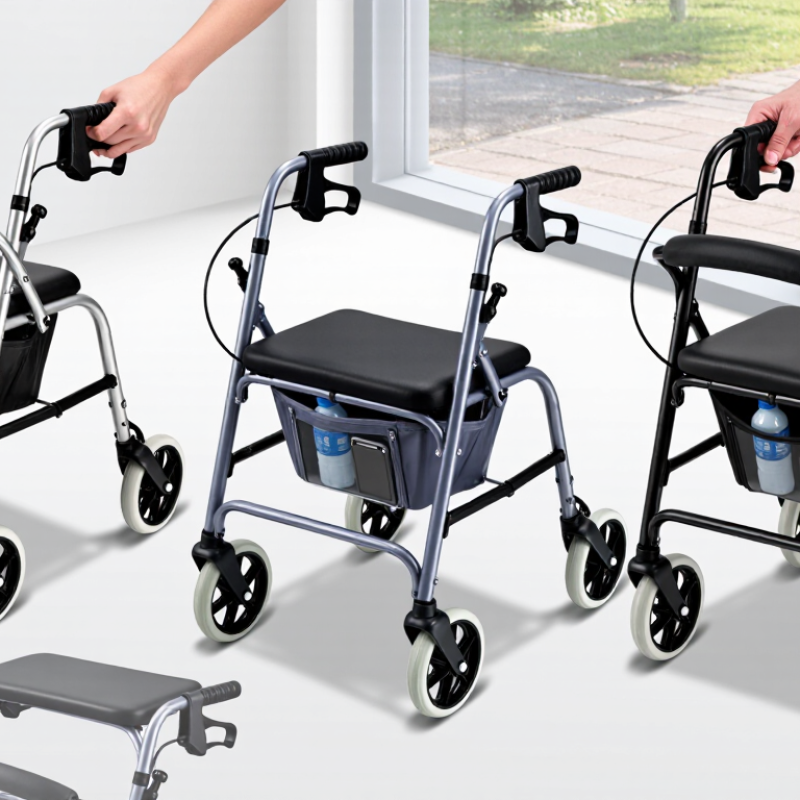
What Is the 2026 Best Medical Rollator Walker?

Definition and Purpose of a Medical Rollator Walker

A medical rollator walker is a wheeled mobility aid designed to support walking, balance, and endurance. It usually has a lightweight frame, four wheels, handgrips, and hand-operated brakes. Many models include a padded seat and a small storage area. The seat allows a user to pause during longer walks, but it is not intended for continuous sitting or transport.

Its main purpose is controlled mobility. A person with weak legs, limited balance, joint discomfort, or reduced stamina may use a rollator to move more confidently. The wheels reduce lifting, unlike a standard walker. However, they also require careful brake control. On a level hallway, the rollator can feel smooth. On a wet ramp or uneven pavement, it may move faster than expected.

Correct fitting matters. Handles should generally align near the user’s wrist when standing upright, with relaxed shoulders and slightly bent elbows. A healthcare professional or physical therapist can check posture, walking technique, and brake use. The user should keep the rollator close, avoid leaning heavily on it, and lock the brakes before sitting. Small errors can matter. I once assumed a wider frame was automatically safer, but it made narrow doorways harder to manage. Comfort, home layout, strength, and daily habits all deserve consideration. A rollator supports movement; it does not replace medical assessment or physical training.

Key Features That Define the Best 2026 Medical Rollator

A medical rollator for 2026 should be judged by safety, fit, and daily usability. The CDC reports that more than one in four adults aged 65 and older falls each year. That makes controlled braking and stable support essential, not optional.

Key Features That Define the Best 2026 Medical Rollator

A strong frame should remain stable during turning, sitting, and rising. Four large wheels can improve movement across indoor floors and uneven pavements. Locking hand brakes must engage easily, even for users with limited grip strength. Handle height should allow slightly bent elbows and an upright posture. Poor adjustment can increase wrist pressure and back fatigue. It happens.

ISO 11199-2:2021 addresses safety requirements for walking aids with wheels, including rollator stability and braking performance. Buyers should check whether testing follows recognized standards. A padded seat, backrest, and storage compartment add practical value, but they also increase weight. The WHO estimates about 684,000 fatal falls occur globally each year, so convenience should never replace controlled mobility. Reflectors, visible brake cables, and non-slip handgrips help in dim corridors or outdoor areas.

A suitable rollator must match the user’s height, strength, walking pattern, and environment. Physical therapists can assess gait and brake technique before purchase. A narrow model may fit a bathroom better, while wider wheels may perform better outdoors. No design works perfectly everywhere. Even a well-tested rollator can become unsafe when overloaded, poorly maintained, or used on steep slopes.

How to Compare Safety, Comfort, Mobility, and Durability

What Is the 2026 Best Medical Rollator Walker?

The best medical rollator walker should match the user, not just the product category. Safety begins with reliable brakes, stable wheels, and a frame that resists unwanted twisting. Test the brakes while standing still. Then try a gentle slope, if safe and supervised. Handles should stay level with the user’s wrists when the arms hang naturally. Incorrect height can strain the shoulders and reduce control. Small details count.

Comfort affects daily use more than many buyers expect. A padded seat can help during shopping or long outdoor walks, but it must remain stable during transfers. Check the backrest, seat width, grip texture, and basket position. Mobility depends on wheel size, turning radius, and total weight. Larger wheels usually handle door thresholds and uneven pavement better. A lighter frame may lift more easily into a car. That trade-off deserves attention.

Durability requires more than a strong-looking frame. Inspect joints, brake cables, fasteners, and wheel alignment. Ask whether replacement parts and service instructions are available. A physical therapist or qualified mobility specialist can assess posture, gait, and fall risk. User manuals and independent safety testing also deserve careful review. No walker is perfect. A fair comparison should admit that comfort, portability, and maximum stability may conflict. The safest choice is the one the user can control confidently every day.

What Is the 2026 Best Medical Rollator Walker? - How to Compare Safety, Comfort, Mobility, and Durability

Rollator Configuration Typical Weight Typical User Weight Capacity Seat Height Range Overall Width Wheel Size Safety Features Comfort and Usability Best Mobility Environment Durability Considerations
Standard Four-Wheel Rollator 6.5–9.5 kg
(14–21 lb)
113–136 kg
(250–300 lb)
48–58 cm
(19–23 in)
56–66 cm
(22–26 in)
20–25 cm
(8–10 in)
Dual hand brakes, parking locks, four-point ground contact, reflective details on some models Usually includes a padded seat, backrest, height-adjustable handles, and a storage pouch or basket Indoor and outdoor use on paved, reasonably even surfaces Look for reinforced aluminum tubing, secure frame joints, replaceable wheels, and corrosion-resistant hardware
Lightweight Travel Rollator 4.5–6.5 kg
(10–14 lb)
100–125 kg
(220–275 lb)
48–56 cm
(19–22 in)
54–63 cm
(21–25 in)
15–20 cm
(6–8 in)
Cable-operated brakes, parking locks, fold latch, and nonslip handgrips Easy to lift and store; seat padding and storage capacity may be reduced to lower weight Travel, shopping centers, public transport, and smooth pavements Lower frame mass can reduce load tolerance; verify the stated capacity and inspect folding joints regularly
Heavy-Duty Bariatric Rollator 9–15 kg
(20–33 lb)
159–227 kg
(350–500 lb)
48–56 cm
(19–22 in)
66–76 cm
(26–30 in)
20–25 cm
(8–10 in)
Wider frame, reinforced seat, larger braking components, parking locks, and high-load fasteners Wider seat and stronger back support; greater weight and width may make transport more difficult Indoor and outdoor use where additional stability and load capacity are required Prioritize frame weld quality, seat support, wheel attachment strength, and clear compliance with the stated load rating
Narrow Indoor Rollator 5.5–8 kg
(12–18 lb)
100–136 kg
(220–300 lb)
48–56 cm
(19–22 in)
50–58 cm
(20–23 in)
15–20 cm
(6–8 in)
Four-wheel stability, locking hand brakes, nonslip tips or wheels, and a stable seat if provided Compact footprint improves room-to-room movement; smaller wheels may provide less clearance over thresholds Homes, care facilities, corridors, elevators, and narrow doorways Check wheel alignment, brake cable routing, and frame rigidity because frequent turning increases component wear
All-Terrain Rollator 8–13 kg
(18–29 lb)
113–159 kg
(250–350 lb)
50–61 cm
(20–24 in)
60–72 cm
(24–28 in)
25–30 cm
(10–12 in)
Large pneumatic or solid wheels, ergonomic brakes, parking locks, and stronger ground clearance Larger wheels absorb minor surface irregularities; pneumatic tires require pressure checks and may puncture Outdoor paths, lawns, compact gravel, and uneven sidewalks; not a substitute for a stair aid Inspect tires, wheel bearings, brake performance, and frame fasteners more frequently after outdoor use
Three-Wheel Rollator 4.5–7.5 kg
(10–17 lb)
100–136 kg
(220–300 lb)
Not always equipped with a seat 55–66 cm
(22–26 in)
20–25 cm
(8–10 in)
Dual hand brakes, parking locks, and a wide front wheel position; less inherently stable than four wheels Very maneuverable and light; usually offers less resting support and reduced lateral stability Short indoor trips and smooth, crowded areas for users with good balance Confirm steering stability, wheel tracking, brake response, and the maximum rated load before use

Data note: Values are typical specification ranges for generic medical rollator configurations and can vary by model. Always follow the manufacturer’s instructions, verify the stated weight capacity, adjust the handles correctly, and consult a healthcare professional or mobility specialist when balance, posture, or fall risk is a concern.

Choosing the Right Rollator for Different User Needs

What Is the 2026 Best Medical Rollator Walker?

The practical answer depends on the user, not the calendar year. The CDC reports that more than one in four adults aged 65 and older fall annually. Falls also cause about three million emergency department visits in the United States each year. A suitable rollator should therefore support safer movement, not simply look modern.

For limited hand strength, choose easy-squeeze brakes and handles that remain comfortable during short walks. A user with poor balance may need a stable four-wheel frame, dependable locking brakes, and a carefully adjusted handle height.

For outdoor use, larger wheels can handle uneven paths better. For narrow homes, measure doorways before buying. A built-in seat helps users who need frequent rests, but it can increase weight and turning difficulty. That trade-off is easy to overlook.

The World Health Organization emphasizes person-centred, functional support in healthy ageing, while CDC STEADI guidance encourages individualized fall-risk assessment. These recommendations support professional fitting rather than guesswork.

Weight capacity matters, but it is not the only safety measure. The frame should remain stable when the user leans lightly on the handles. Brakes must engage without excessive force.

Ask a physiotherapist or occupational therapist to check posture, stride, and brake technique. A rollator that feels perfect in a store may behave differently on carpet or sloped pavement. Reassessment is wise. Needs can change.

Proper Adjustment, Daily Use, and Maintenance Guidelines

What Is the 2026 Best Medical Rollator Walker?

Proper Adjustment, Daily Use, and Maintenance Guidelines

The best medical rollator walker is the one adjusted to your body and daily routine. Stand upright with relaxed shoulders and both hands on the grips. Your elbows should bend slightly, usually about 15 to 20 degrees. The handles must stay level with your wrists when your arms hang naturally. If you lean forward, the frame may be too low. If your shoulders rise, it may be too high. A perfect setup is not always achieved on the first attempt.

Use the rollator on firm, level surfaces whenever possible. Walk inside the frame, not several steps behind it. Squeeze both brakes before sitting, and check that the seat is fully stable. Avoid hanging heavy bags from the handles, because uneven weight can affect balance. Real-world use may reveal problems that fitting alone misses. A physical therapist or qualified healthcare professional can review your walking pattern and suggest safer adjustments.

Tips: Inspect the wheels, brake cables, seat, and folding joints each week. Wipe the handgrips if they become slippery. Test the brakes before leaving home. Never use a rollator with loose parts, damaged wheels, or unreliable brakes. Small faults matter. Keep a simple maintenance note, although many users forget this step. Recheck the height after wearing different shoes or experiencing changes in posture, strength, or balance.

FAQS

What makes a medical rollator safe for daily use?

Look for a stable frame, four wheels, controlled brakes, and secure locking mechanisms. Brakes matter most. The rollator should remain steady while turning, sitting, and standing.

How should the handle height be adjusted?

Handles should align near the user’s wrists when the arms hang naturally. Elbows should bend slightly. Poor adjustment may increase wrist pressure, shoulder strain, and back fatigue.

Which rollator features help users with weak hands?

Choose easy-squeeze brakes and textured, non-slip handgrips. Brake levers should work without excessive force. Test them carefully. A professional mobility assessment may reveal problems that a quick store test misses.

Are larger wheels better for outdoor movement?

Larger wheels usually cross door thresholds, pavement cracks, and uneven paths more smoothly. They may also improve outdoor control. However, they can increase weight and turning space. No design wins everywhere.

Is a padded seat useful on a medical rollator?

A padded seat can provide useful rest during shopping or longer walks. A backrest may add support. Check that the seat stays stable during transfers. Extra padding and storage can make the rollator heavier.

How can someone choose a rollator for a narrow home?

Measure bathroom doors, hallways, and turning areas before buying. A narrower model may fit better indoors. Small spaces matter. Test the turning radius near furniture, not only in an open showroom.

What should buyers check for durability?

Inspect frame joints, brake cables, fasteners, wheel alignment, and folding points. Ask about replacement parts and maintenance instructions. A strong-looking frame can still develop loose joints. I might overlook small hardware without a close inspection.

Can one rollator suit every user and surface?

Not reliably. The best choice depends on height, strength, balance, walking pattern, and environment. Carpet, slopes, and pavement may feel different. Reassessment is sensible because user needs can change.

Conclusion

A Medical Rollator Walker is a mobility aid designed to help users walk with greater stability, confidence, and independence. The best models for 2026 should combine a strong but manageable frame with smooth wheels, reliable hand brakes, a supportive seat, comfortable handles, and practical storage. Safety is the first priority, so users should consider braking performance, frame stability, wheel quality, and weight capacity. Comfort, maneuverability, and durability are equally important, especially for people who use a rollator indoors and outdoors or for extended periods.

Choosing the right rollator depends on individual needs, including height, walking ability, balance, body size, and lifestyle. A lightweight design may suit users who frequently travel, while a wider and more supportive model may be preferable for longer outings. Before use, the handles should be adjusted to a comfortable height, and the brakes should be tested regularly. Routine cleaning, checking wheel movement, tightening loose parts, and inspecting the frame can help maintain safe and dependable performance over time.

Olivia

Olivia

Olivia is a highly experienced marketing professional dedicated to helping businesses understand how thoughtful products, reliable service, and strategic communication can create lasting value. With a strong understanding of the company’s solutions, customer needs, and industry trends, she brings......