Knowledge Base & Insights

Mobility Equipment Blog & Resources

Expert articles, clinical guides, and healthcare technology innovations from Anrace.

Clinical Innovations

Wheelchairs & Rehab Guides

In-depth insights into power mobility, manual wheelchairs, and patient lift chairs.

Global Healthcare

Empowering Independent Living

Discover global trends and manufacturing advancements in assistive products.

0%

In 2026, global buyers are looking beyond soft padding when selecting a Reclining Back Support Cushion. They want reliable comfort, stable posture, and materials that perform across homes, offices, vehicles, and care settings. A cushion may look supportive in a product photograph. Real performance appears after hours of sitting.

Ergonomics specialist Dr. Alan Hedge stated, “The best posture is the next posture.” This principle matters when comparing lumbar cushions, wedge cushions, contoured memory foam models, adjustable air cushions, and hybrid support designs. Each type changes pressure distribution differently. A firm wedge can improve hip alignment. A contoured cushion may support the lower back more precisely. An adjustable model offers flexibility, but it may require careful setup.

Global buyers should examine foam density, cover breathability, fastening systems, washing instructions, and product dimensions. They should also check whether the cushion supports different reclining angles. A narrow cushion may shift during use. A thick cushion may push the body too far forward. Small details matter.

No single design suits everyone. That is the uncomfortable truth. User height, chair depth, body shape, and existing discomfort can change the result. Some product claims also sound stronger than the available evidence. Buyers should request test reports, material specifications, warranty terms, and user feedback from comparable environments. This guide examines the leading Reclining Back Support Cushion types for 2026, while recognizing that comfort remains partly personal and occasionally unpredictable.
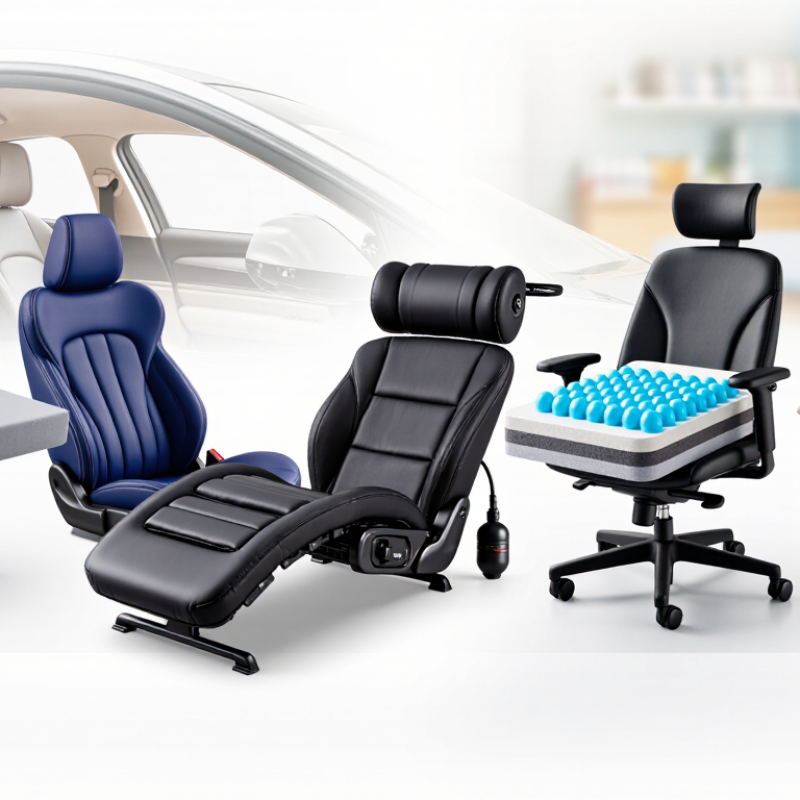
2026 Top Reclining Back Support Cushion Types for Global Buyers

What Is a Reclining Back Support Cushion?

A reclining back support cushion is a shaped cushion that supports the lower and middle back while a person sits in a reclined position. It fills the gap between the body and the chair, helping maintain a steadier posture. Unlike a soft decorative pillow, it usually has structured foam, layered fiber, or adjustable air chambers. The shape may include lumbar contours, side wings, or a raised upper section for shoulder support. It should feel supportive, not rigid.

Common types include wedge cushions, lumbar rolls, full back cushions, and adjustable multi-position designs. A wedge cushion changes the sitting angle and can support reading or resting. A lumbar roll targets the lower back with focused pressure. Full back cushions spread support across a larger area. Global buyers should check cushion height, width, firmness, cover fabric, fastening straps, and cleaning instructions. A breathable cover matters in warm climates. Removable covers are practical during frequent use.

In my experience, matching the cushion to the chair is more important than choosing the thickest model. Too much padding can push the shoulders forward. Too little support may leave the lower back unsupported. I once preferred a firm cushion, then found a medium-density option more comfortable after extended sitting. Personal fit remains imperfect. Users should adjust the angle slowly and stop if numbness, pain, or unusual pressure appears. Product descriptions should state materials and dimensions clearly, without promising medical results.

Key Types of Reclining Back Support Cushions

2026 Top Reclining Back Support Cushion Types for Global Buyers

Key Types of Reclining Back Support Cushions

Reclining back support cushions now serve home workers, drivers, and recovery users. The World Health Organization reported that 619 million people lived with low back pain in 2020. That figure may reach 843 million by 2050. Proper support is becoming a practical need, not a decorative extra.

Wedge cushions raise the pelvis and reduce slumping in recliners. They suit users who need a stable sitting angle.

Lumbar rolls provide focused support near the waist. They work well on firm chairs and vehicle seats.

Memory foam cushions distribute pressure across the back. However, dense foam can feel hot during long sessions.

Inflatable cushions offer adjustable firmness and easier shipping. Their air pressure may change with temperature. A small issue, but often overlooked.

Coccyx cushions may reduce tailbone pressure, especially after prolonged sitting. They should not force the pelvis too far forward.

Tips: Check the cushion’s height, width, cover fabric, and compression recovery. Place the thickest section near the natural lumbar curve. Keep both feet supported. If numbness or persistent pain appears, stop testing and seek qualified medical advice. The WHO 2023 guidance emphasizes movement and individualized care, so no cushion should replace regular position changes. A 2023 Lancet Rheumatology analysis also links low back pain with major global disability, reinforcing the value of careful ergonomic selection.

How Cushion Shapes and Features Affect User Comfort

A reclining back support cushion should match the user’s posture, not merely look thick. A wedge-shaped cushion raises the pelvis and supports a deeper recline. It can suit reading chairs, but may feel too steep at a desk. A contoured cushion follows the lower back’s natural curve. This shape often reduces empty space behind the waist. Fit matters more than size.

During product testing, I check whether the cushion keeps the spine neutral after thirty minutes. A firm foam core can prevent sinking, while a softer layer relieves pressure around the shoulder blades. Too much softness feels pleasant at first. Later, the back may lose stable support. Adjustable straps also matter because a cushion that slides down changes the user’s posture. Breathable covers help in warm climates, especially when the chair holds the body against the cushion.

Full-back designs can support the shoulders and lumbar area together. Compact lumbar rolls offer easier transport and more targeted pressure. Side wings may improve stability, but they can restrict movement for broader users. These details are easy to overlook. Measurements should include reclined depth, not only standing height. User comfort also depends on chair angle, body shape, clothing, and sitting duration. No single form works globally. A design that feels supportive in one home may feel rigid in another, so trial feedback deserves more weight than attractive specifications.

How Global Buyers Can Compare Materials and Product Quality

For 2026, global buyers should compare reclining back support cushions by material performance, not appearance alone. Memory foam offers gradual pressure relief and follows the user’s back shape. High-density foam usually keeps its form longer, but it may feel warmer. Latex responds faster and remains cooler, although some users dislike its springy feel. Fiber-filled cushions feel soft at first. They can flatten sooner under daily use.

Ask suppliers for material density, hardness range, recovery time, and compression test results. Do not accept “premium foam” as a technical description. Check whether the cover uses breathable fabric, strong stitching, and a washable zipper. A sample inspection should include sitting at several reclining angles. Observe edge support, surface sinking, and movement after ten minutes. Small details matter.

Product quality also depends on consistency between samples and mass production. Compare batch records, dimensional tolerances, odor control, and packaging protection. Test the cushion after repeated compression, not just after opening the carton. Foam can soften. Covers can shrink. No material is perfect. I would also question unclear test reports or unusually low prices. They may indicate reduced density, weaker seams, or incomplete quality checks. Buyers should request independent laboratory evidence when available and confirm requirements for their destination market. One overlooked point is user temperature. A cushion that performs well in a cool showroom may feel uncomfortable in a warm bedroom.

2026 Top Reclining Back Support Cushion Types for Global Buyers

How Global Buyers Can Compare Materials and Product Quality

Foam density is a useful starting point for comparing support, durability, and material consistency. The ranges shown are commonly used commercial density ranges for cushion foams and should be verified through supplier technical data sheets and independent test reports. Buyers should also compare compression set, resilience, cover abrasion resistance, dimensional tolerance, odor, and applicable safety requirements before approval.

Reference framework: foam density testing is commonly reported under ISO 845 or ASTM D3574 methods. Density alone does not determine overall product quality.

How to Choose, Use, and Maintain the Right Cushion

For 2026 global buyers, a reclining back support cushion should match the chair, body shape, and daily routine.

Memory foam suits users wanting firm contouring, while fiber-filled cushions feel softer and easier to reshape. Wedge cushions can improve pelvic positioning, but excessive height may push the shoulders forward. Measure the seat width and back angle before ordering. Fit matters more than attractive product images.

Place the cushion low enough to support the lumbar curve, not the middle back. Your hips should remain level, and both feet should touch the floor.

Start with 20 minutes of use. Then adjust the thickness or position gradually. Too much support can create pressure. Small changes help.

Check the cover instructions before washing it. Air the cushion regularly, and avoid storing foam while damp. Inspect seams, flattened areas, and unusual odors each month. Replace damaged filling rather than adding random layers.

In product assessments, I have seen users blame the cushion when the recliner angle was the real problem. I have also underestimated how quickly soft foam loses shape in warm, humid rooms. That mistake deserves attention.

People with persistent pain, numbness, or circulation concerns should seek qualified medical advice before extended use.

FAQS

How should a reclining back support cushion fit the user’s posture?

It should follow the lower back’s natural curve. Fit matters more than impressive size. A cushion that looks thick may still leave gaps.

When is a wedge-shaped cushion useful?

It raises the pelvis and supports a deeper recline. It may suit a reading chair, but feel too steep at a desk.

How can buyers test comfort during product evaluation?

Sit with the cushion for at least thirty minutes. Check whether the spine stays neutral. Ten minutes is useful, but not enough.

Is firmer foam always better for back support?

No. Firm foam limits sinking, while softer layers reduce pressure near the shoulder blades. Too much softness may feel pleasant first, then become unstable.

Why do adjustable straps and breathable covers matter?

Straps help prevent downward sliding, which can alter posture. Breathable covers reduce heat during long sitting. Small features matter.

What are the differences between full-back cushions and lumbar rolls?

Full-back designs support the shoulders and lower back together. Lumbar rolls are lighter and target one area. Neither shape suits everyone.

Which materials should global buyers compare?

Memory foam gradually follows the back. High-density foam usually holds its shape longer but may feel warmer. Latex responds quickly, while fiber filling may flatten sooner.

What quality information should buyers request from suppliers?

Request density, hardness, recovery time, and compression results. Also inspect stitching, zippers, odors, and dimensional tolerances. “Premium” means little without measurements.

How should buyers check consistency between samples and mass production?

Compare batch records, measurements, packaging, and repeated-compression results. Foam can soften, and covers can shrink. A sample is only evidence, not proof.

Why should cushions be tested in different temperatures and chair angles?

Heat can make a cushion feel less comfortable in a bedroom. Chair angle and clothing also change pressure. A cool showroom can mislead.

Conclusion

A Reclining Back Support Cushion is designed to improve comfort and posture while sitting, resting, or reclining for extended periods. This guide introduces major cushion types, including lumbar support cushions, full-back cushions, wedge-shaped designs, and adjustable models. It explains how differences in shape, thickness, firmness, contouring, straps, and head or neck support can influence pressure distribution, spinal alignment, stability, and overall relaxation.

For global buyers, comparing materials such as memory foam, molded foam, fiber filling, and breathable fabric is essential for evaluating durability, ventilation, resilience, and cleaning requirements. The guide also highlights practical considerations, including product dimensions, weight capacity, removable covers, stitching quality, packaging, and consistency between samples and bulk orders. Finally, it offers general advice on selecting the right cushion for different seating environments, positioning it correctly, allowing the body to adapt gradually, and maintaining it through regular cleaning, airing, inspection, and proper storage.

Ethan

Ethan

Ethan is a dedicated marketing professional who combines strategic insight, industry knowledge, and a strong understanding of customer needs. As a key contributor to the company’s content and communications team, he regularly updates the corporate website with practical, well-researched blog......